



Prof. Dr Dušan Palić Chair for Fish Diseases and Fisheries Biology, Faculty of Veterinary Medicine LMU Munich, Germany
MYCOTOXINS AS A PERSISTENT AND UNDERESTIMATED CHALLENGE IN AQUACULTURE Mycotoxins are globally distributed, fungal toxic contaminants predominantly found in plant-based feed ingredients used in animal production, including aquaculture. They are secondary metabolites, produced under stressful conditions by many mold species, including Aspergillus flavus (aflatoxin), Gibberella zeae, Fusarium graminareum and F. culmorum (zearalenone), F. verticillioides (fumonisin), and Penicillium chrysogenum (penicillin) (Gonçalves et al., 2018). Mycotoxins pose a serious problem in aquaculture production worldwide (Anater et al., 2016) and present significant risks to human and animal health, causing or contributing to chronic and acute illnesses. HEALTH EFFECTS THAT GO BEYOND PRODUCTION LOSSES Therefore, they are a major global health concern included in the framework of One Health concept (Hernando-Amado et al., 2019), following “an integrated, unifying approach that aims to sustainably balance and optimize the health of people, animals, and ecosystems” (after: Joint Tripartite FAO, WOAH and WHO commission and UNEP Statement, from December 2021).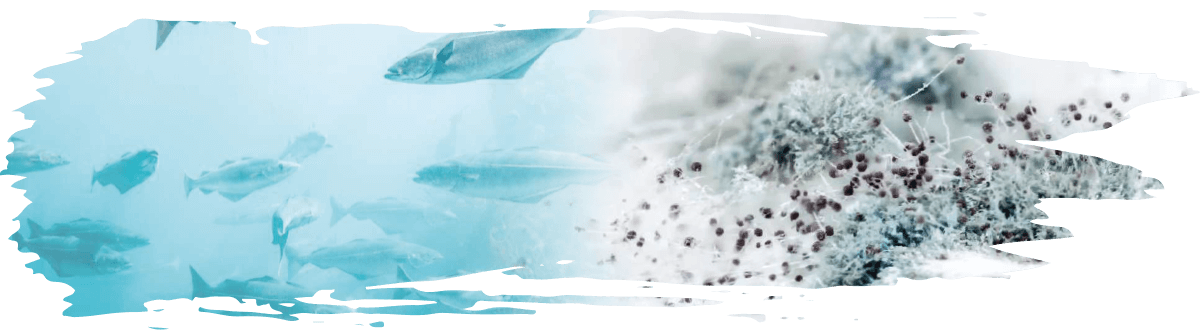
Feeding fish with food or feed ingredients contaminated with mycotoxins results in: (Matejova et al., 2017) Exposure to mycotoxins can also increase the risk of infectious diseases, including due to Aeromonas hydrophilla, one of the most common pathogens in the aquaculture worldwide (Derome et al., 2016). Mycotoxin debilitated organisms are known to suffer from increased incidence, frequency, and severity of bacterial infection outbreaks. Without a better understanding of the underlying low-level mycotoxin toxicity issues, the resulting disease outbreak conditions may lead to an overuse or misuse of antimicrobial substances, pushing the emergence of antimicrobial resistance in bacteria through increased presence of antimicrobial resistance genes in the water environment (Shi et al., 2022). It is well established that mycotoxicoses impair animal health, leading to a decrease in production and causing direct and indirect economic losses.
 Liver and kidney pathology Carcinogenesis Gastrointestinal disturbances Reproductive disorders Microbial dysbiosis Immune system suppression
 Therefore, mitigation measures and good manufacturing practices are necessary to reduce mycotoxin-related health problems.
REGULATORY LIMITS AND THE OVERLOOKED RISK OF MYCOTOXIN MIXTURES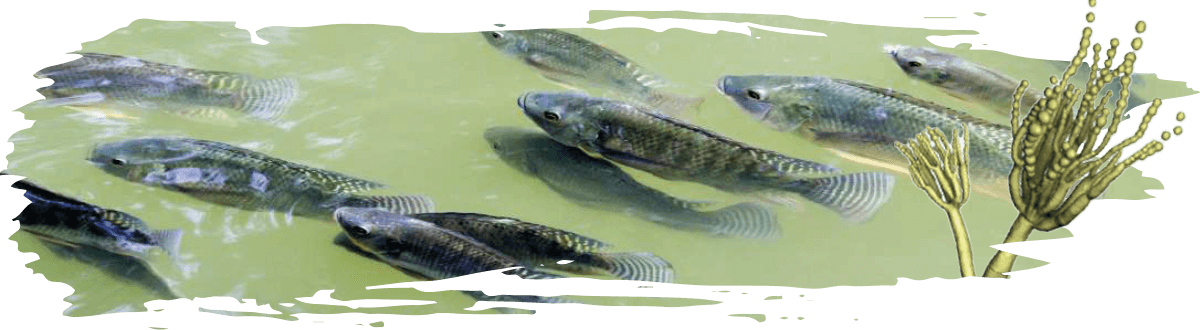
Out of over 300 known mycotoxins, the most frequently detected are not more than a few: aflatoxins, zearalenone, fumonisin, ochratoxin, and deoxynivalenol. The European Commission established maximum levels and guidance values for mycotoxins in multiple feedstuffs (CE 2002; CE 2006). However, there are no respective values for mycotoxin contamination specifically developed for fish feed, with exception of the fumonisins (FB1 + FB2, 10 ppm), AFB1 (0.01 ppm), and DON (5 ppm). Furthermore, there are studies supporting that the simultaneous presence of multiple mycotoxins, each below regulatory limits, can lead to cumulative and/or synergistic toxicity effects (Kolawole et al., 2020; Hussein et al., 2024a, 2024b). These mycotoxins have the most pronounced impact on the economy, due to their prevalence in feedstuff and negative effects on livestock production efficiency (Gonçalves, 2026).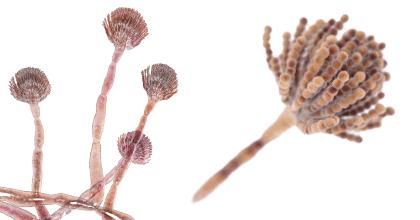
A GEOGRAPHICALLY UNEVEN PROBLEM REQUIRING REALISTIC STUDY MODELS
Another layer of complexity that is related to the low-level multiple mycotoxin contamination problem, is the variable global distribution of mycotoxin-related feed contamination. Our current technical knowledge (or a lack thereof) about these issues, clearly demonstrates the need to perform multi-mycotoxin studies to address differences in mixture composition both in quantity of individual mycotoxins, and in various combinations of different mycotoxins present in feedstuff.
 In analysis performed by Gonçalves (2026) the areas of South-Eastern Asia are mentioned to be vulnerable to this problem, due to the general climate conditions, such as heavy tropical rain seasons. Previous studies of Gonçalves et al. (2018) note that 84 % of the feed samples were contaminated with more than one mycotoxin in Asian countries, and samples from Europe tested positive for more than one mycotoxin in about 50 % of the cases. A similar situation was described for Africa (Zahran et al., 2020) and other areas of the world with notable regional differences in contamination patterns, indicating need for tailored management and prevention strategies (Gonçalves, 2026).
 Such studies will better reflect real aquaculture conditions compared to the somewhat outdated focus on a single mycotoxin representative such as aflatoxin B1, the most often used model for mycotoxin toxicity in finfish.
NILE TILAPIA: A HIGH-RISK SPECIES
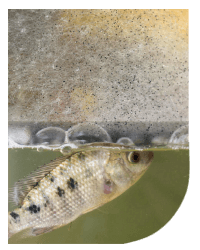
Nile tilapia (Oreochromis niloticus) is one of the fish species with the highest exposure risks to multiple mycotoxins. Rapid growth and production volume drives the expansion of tilapia aquaculture distribution in tropical and sub-tropical areas of multiple continents (Africa, Asia, and Central/South America). Simultaneously, its distribution is overlapping with areas suffering from significant feed contamination with multiple mycotoxins. The result is that tilapia is currently a cultured fish species with the highest risk of exposure to multiple mycotoxins during routine aquaculture operations.
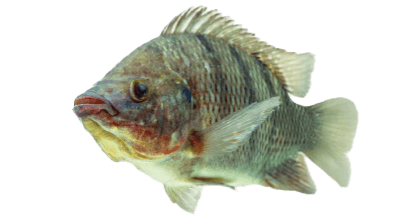
Furthermore, tilapia is one of the most produced fish in warm water aquaculture, and is one of the most important sources of animal protein for human populations throughout South-East Asia and most of Africa.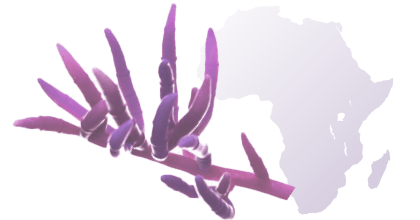
 Therefore, it is imperative to understand the potential for multiple low-concentration mycotoxins consequences in One Health conceptual framework, including the possible ways to prevent health consequences for animals and humans alike (Lorusso et al., 2025).
In this context, different risk and toxicity mitigation strategies, are employed, including addition of mycotoxin adsorbents such as clinoptilolites (zeolites) with a high ion-exchange capacity in commercial feed. The adsorption of mycotoxins can: (Acosta et al., 2025)
 Effectively reduce their toxic potential and further assist in disease prevention Support optimal growth rates Improve nutrient absorption Increase the overall survival rate of aquatic animals in aquaculture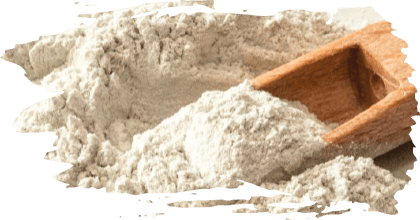
EVIDENCE FROM LOW-LEVEL MULTI-MYCOTOXIN FEEDING TRIALS IN TILAPIA
In recent studies performed by Hussein et al. (2024), investigators used feed mixtures contaminated with multiple mycotoxins all below their respective regulatory limits. The mixtures were prepared according to reports from feed mills and other publicly available literature sources, as a representative average number of mycotoxins and the level of contamination found in South East Asia (Thailand) Nile tilapia aquaculture feed.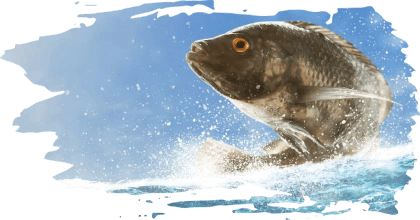
Tilapia juveniles were fed mycotoxin contaminated feed with and without adsorbent additives for a period of six weeks, and general production parameters, health evaluations (hematology, immunology, and pathology), as well as microbiome molecular and bioinformatics analysis was performed at various time points (Hussein et al., 2024a, 2024b). HEALTH PARAMETERS AND MICROBIOME ALTERATIONS Overall conclusions from these studies indicate that the presence of multiple mycotoxins in a fish diet for extended time of over six weeks can interfere with physiology and health, even at the levels that are below regulatory limits for each individual mycotoxin. While there is no major influence on production parameters (e.g., growth or feed conversion), such exposure still causes significant changes in hematological and immunological parameters, as well as various pathologies of the liver, intestines, kidney, and spleen. Furthermore, the complexity of the interactions between the mixture of low-level mycotoxin concentrations in the diet and intestinal and gill microbiomes in tilapia, directs us toward conclusion that mycotoxins can interfere with fish respiratory and digestive tract mucosa microbiomes. MYCOTOXIN MITIGATION STRATEGIES Multiple and different strategies are being used to prevent feed contamination with mycotoxins (testing, rejection, regulatory limits) and prevent mycotoxin absorption in the gastrointestinal tract (binders, adsorbents). Broadly, the intestines of the fish fed with dietary mycotoxin had significant differences observed in Actinobacteriota phyla and Clostridiaceae family, and in the case of gills, microbiome differences were observed in level of Actinobacteriota phyla only (Hussein et al., 2024a, 2024b).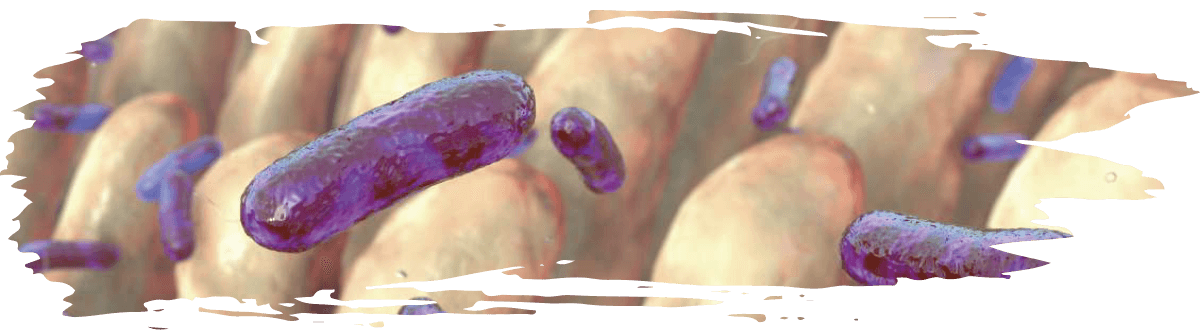
Regulatory actions and monitoring The regulatory actions and consequential development of analytical tools and accredited testing laboratory systems for monitoring of the feed ingredient mycotoxin content are used to prevent entry of the mycotoxins in the food chain, specifically for the mycotoxins that are confirmed to be over the maximum allowable regulatory limit (Kovač et al., 2025). However, this approach does not consider the possible risks associated with effects of the mycotoxin concentrations below rejection/regulatory threshold, as well as potentially synergistic actions of multiple mycotoxins present in the same sample, but with concentrations below the limits (Stoev et al., 2023).
Mycotoxin adsorbents The next line of risk management is to use of mineral-based mycotoxin absorbents as feed additives, such as natural zeolites (clinoptilolite) (Acosta et al., 2025). Clinoptilolite has binding properties due to its unique physiochemical structure and characteristics. Ayoanagi et al. (2023) also reported that organically modified clinoptilolite can effectively adsorb various types of mycotoxins, even when their chemical composition varies.
It is made of very fine polycrystalline lamellas, forming the basis of its rigid structure.At the same time, free spaces between its “skeleton” as well as its superb ion exchange properties make it an effective mycotoxin binder.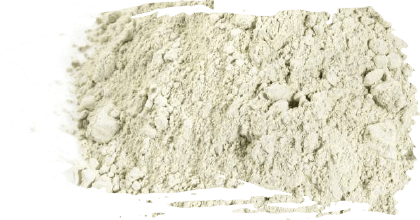
However, it has also been noted that naturally occurring zeolites, including clinoptilolites, have limited effectiveness in the full-spectrum adsorption of mycotoxins, which has prompted further studies focusing on surface modifications of the mineral powder by addition of different chemical substituents (Di Gregorio et al., 2014).
In recent years, MINAZEL PLUS emerged as a proprietary patented result of such studies, where natural clinoptilolite adsorption and selective properties were improved through a two-step modification process: 1. Tribochemical surface modification during which organic cations are added. 2. A three-part physio-chemical modification, resulting in a partial change in the clinoptilolite’s surface polarity through the attachment of long-chained cations.
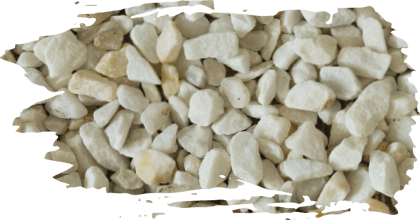
Such modification makes adsorption of the less and non-polar mycotoxins possible, thus improving overall efficacy of the feed additive.
The effectiveness of MINAZEL PLUS in the adsorption of mycotoxins in the aquaculture environment is supported by several studies conducted on Gilthead seabream (Sparus aurata), Nile tilapia (Oreochromis niloticus), and Rainbow trout (Oncorhynchus mykiss) (Obradović et al., 2006; Kaya et al., 2022; Zahran et al., 2020; Hussein et al., 2024a/b). For example, studies indicate the rescue potential of the mycotoxin adsorbent when concurrently used in the diet (MINAZEL PLUS).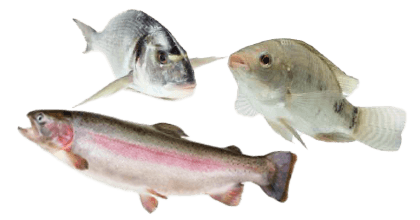
The fish in the groups fed with the diet with both mycotoxins and the feed additive, showed no difference from the controls when it comes to the tested health parameters and in the microbiota composition. Interestingly, the trends of multiple examined parameters showed that, when compared between control and feed additive only group, the growth, hematological endpoints, and some beneficial microbiome classes have been affected positively by the presence of MINAZEL PLUS in the diet (Hussein et al., 2024a, 2024b).
CONCLUSIONS: MANAGING HIDDEN RISKS UNDER REAL AQUACULTURE CONDITIONS In conclusion, the regulatory environment is changing, increasing the scrutiny about the acceptable levels of different mycotoxins in the feedstuff. Global crop harvests increasingly affected by severe weather events and climate instability are driving higher occurrence of multiple mycotoxins in regions that overlap with the rapid expansion of aquaculture as a key protein source for low-income communities. Mycotoxin mixtures, although each individual mycotoxin is under regulatory limits, have strong potential to cause deleterious effects on fish health and microbiomes, and require extensive risk mitigation measures beyond the rejection of contaminated feed ingredients. References Rendering multiple mycotoxins ineffective by use of dietary adsorbents is a promising strategy to minimize the risk from low-level contaminations otherwise neglected by current feed mill protocols.
 Micotoxicosis prevention