

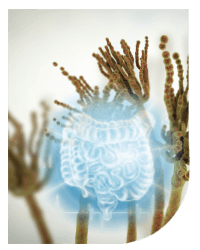



Modern livestock production is driven by the ambition to unlock the full genetic potential of animals. Whether in poultry, swine or ruminants, high-performing animals demand more than adequate supply of energy and protein. In addition to optimal management and husbandry conditions, the feed must be safe, balanced, and supportive of gut health and systemic resilience. HIGH PERFORMANCE REQUIRES HIGH-QUALITY FEED
 Yet, in practice performance is undermined by a hidden constraint – mycotoxin contamination.
Animals with high genetic potential can only reach the expected levels of growth, egg or milk production, reproduction, or feed efficiency when their diet quality is adequate. While the problems with feed contamination may result in financial losses, creating prerequisites for health is inseparable from achieving the full performance potential.
MYCOTOXINS: A UNIVERSAL CHALLENGE Mycotoxins remain among the most consistent threats to feed quality. Surveys consistently report contamination in cereals and by-products, affecting all species alike.
Mycotoxin-induced microbiome disruption Feed raw materials and commercial diets often contain significant amounts of mycotoxins, which is a concern in terms of animal health, welfare, and performance.
Mycotoxins interfere with the microbial balance by selectively inhibiting beneficial bacteria and creating an environment favoring opportunistic pathogens. Mycotoxins can increase harmful gut bacteria in farm animals by disrupting the animals’ intestinal health through multiple mechanisms. Intestinal barrier damage, immune impairment, and microbial imbalance create conditions in which pathogenic bacteria can thrive in animals exposed to mycotoxins.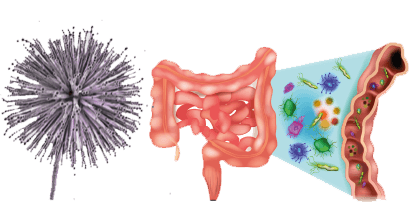
Mycotoxin-induced impaired growth performance
In poultry, mycotoxins (e.g. aflatoxins, deoxynivalenol, fumonisins) impair growth performance and can damage vital organs, leading to poor productivity. These toxins also have immunosuppressive effects in birds, weakening the immune system and increasing susceptibility to infections.
In pigs, mycotoxin exposure often suppresses immunity – pigs become more vulnerable to infectious diseases and show reduced vaccine efficacy as a result. Even subclinical levels of mycotoxins in swine feed cause performance losses (e.g. reduced feed intake and weight gain), translating to slower growth and economic losses without obvious illness.
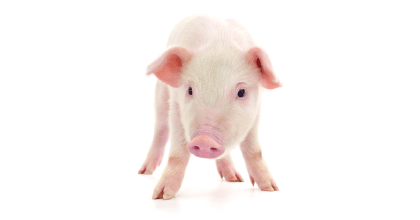
In ruminants, the rumen can detoxify some mycotoxins, but high toxin doses still provoke feed refusal, immunosuppression, and lowered milk production, ultimately compromising cattle health and performance.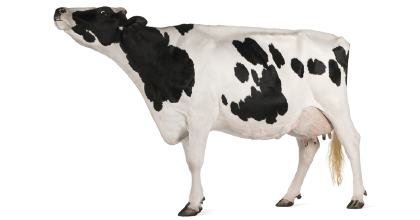
Such risks can be addressed by specific multi-component feed supplements with a comprehensive strategy.
Quick, irreversible adsorption and bacterial biotransformation of contaminants, liver support due to plant extracts and immune modulation via yeast cell wall components provide a multilayered solution for mycotoxin management.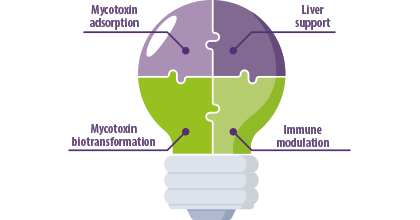
 This ensures that nutrient availability is preserved, and animals are well-shielded against the hidden costs of mycotoxins.
MANAGING RISKS FOR IMPROVED PERFORMANCE
The latest innovation in mycotoxin management, MYCORAID, provides multilayered protection by combining adsorbing and detoxifying agents with hepatoprotective and immune-modulating elements. This not only reduces the systemic toxin load but also preserves microbial diversity, helping protect against long-term dysbiosis.
One study at the Freie Universität in Berlin tested the effectiveness of a multi-component feed supplement in weaned piglets (25–66 days old) exposed to deoxynivalenol (DON, 1,000 ppb) and zearalenone (ZEN, 800 ppb) mycotoxins. The trial showed that mycotoxin exposure negatively impacted piglet growth, blood markers, and organ weights (including genital organs due to ZEN exposure). In contrast, addition of the multi-component feed supplement to the diet countered these effects, restoring most parameters to normal. These toxins are known to reduce feed intake and harm reproductive performance.
Notably, while exposure increased FCR from 1.46 to 1.58 (+8.8 %), MYCORAID fully prevented this negative impact. Similarly, MYCORAID prevented increase of genital organs (total weight of ovary, uterine horn, and vagina-vestibule).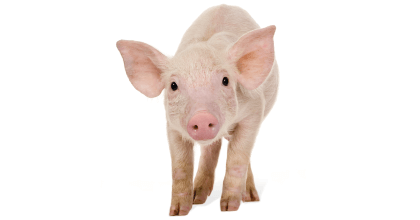
Figure 1. A multi-component feed supplement (MYCORAID) mitigated the increase in FCR and genital organs of weaned piglets during mycotoxin contamination (Raj et al., 2025).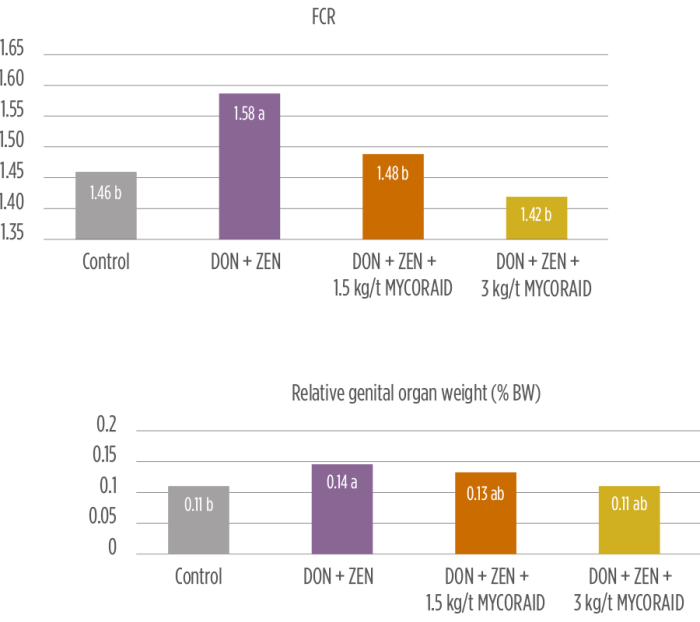
In another trial, conducted in Greece (Tsiouris et al., 2021), broiler chickens were challenged with aflatoxin B1 (AFB1) and ochratoxin A (OTA). The mycotoxin challenge induced a significant reduction in body weight and increase in FCR, histopathological changes, and increased the count of E. coli bacteria. However, most of these negative effects were alleviated using MYCORAID at 1 kg/t feed. By neutralizing mycotoxins and supporting gut welfare, MYCORAID helped maintain the integrity of the gut lining. Figure 2. Multilayered mycotoxin management product counteracted the negative influence of mycotoxins on E. coli growth in broiler chicken (Tsiouris et al., 2021). CONCLUSION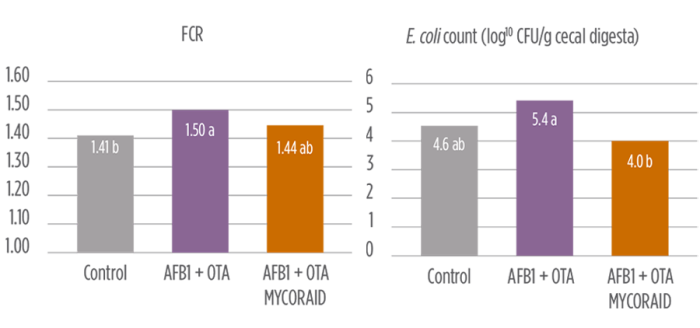
Across livestock species, the performance potential is often compromised by mycotoxins. By managing external stress factors before they become challenges, A&P Nutrition helps animal farming businesses increase productivity while maintaining cost efficiency.
A&P Nutrition, the newly unified brand born from the strategic alliance of PATENT CO. and agromed under the RWA (Raiffeisen Ware Austria) umbrella, is redefining the future of animal nutrition. With decades of expertise now consolidated into a single, robust portfolio, A&P Nutrition is committed to delivering nature-inspired, scientifically validated solutions that address the most pressing challenges in animal health and performance. At the heart of this transformation lies a clear mission: Improving animal performance.
 Micotoxicosis prevention