



Al-Zahraa Mamdouh2 and Eman Zahran1* 1National Institute of Oceanography and Fisheries (NIOF), Cairo, Egypt
2Department of Aquatic Animal Medicine, Faculty of Veterinary Medicine, Mansoura University, Mansoura, Egypt
*Corresponding author: [email protected]
With the rising demand for sustainable aquafeeds incorporating plant-based ingredients, mycotoxin contamination poses significant risks to fish health, product quality, and human consumers. Various nanomaterials, including graphene-based nanosheets, nano-clays, metal oxide nanoparticles, metal-organic frameworks (MOFs), and magnetic nano-adsorbents, have demonstrated promising adsorption capacities and mechanisms for mycotoxin removal, such as electrostatic attraction, hydrogen bonding, and π–π interactions. This review highlights advances in functionalization techniques that enhance adsorption efficiency and selectivity.
Practical applications face challenges, including: Emerging research has focused on developing multifunctional nano-adsorbents that not only detoxify mycotoxins but also support fish gut health and growth performance. Although laboratory results are encouraging, further in vivo studies and comprehensive safety assessments are essential to enable commercial adoption in aquaculture systems.
AQUACULTURE NUTRITION AND THE EMERGING CHALLENGE OF MYCOTOXIN CONTAMINATION Fish are a major source of vital nutrients in the human diet. Rapid and massive global population growth has led to increased seafood consumption. ⇒ Therefore, increasing fishery capture has been considered necessary to fulfil the growing demand for fish (Guillen et al., 2019). Aquaculture is one of the fastest-growing food production sectors and has been expanding to supply the population with sustainable and high-quality aquatic products. Feeding programs in aquaculture depend mainly on commercially available high-protein aquafeeds, which promote growth and ensure high-quality products.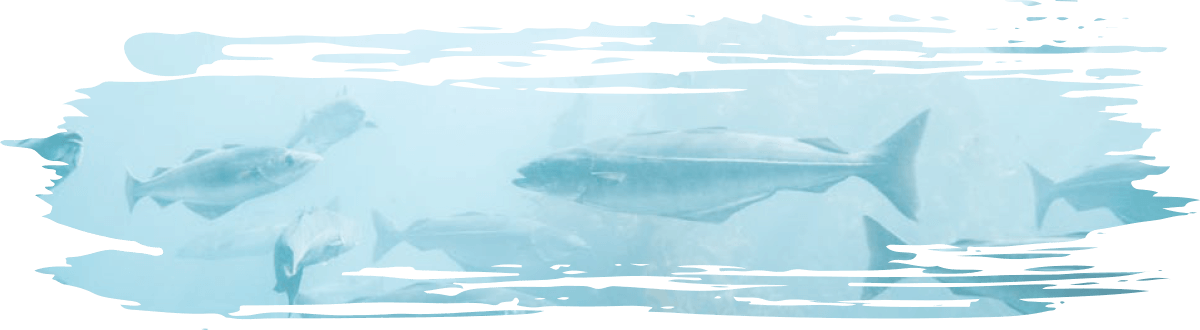
 They are a significant source of protein, essential amino acids, long-chain omega-3 fatty acids, vitamins, and most essential minerals and trace elements, particularly iodine, fluorine, and trivalent chromium, which are usually absent in other meat products (Tacon y Metian, 2013).
 Approximately 40.0 % of fish produced by aquaculture require large amounts of externally provided protein-rich aquafeed (Deutsch et al., 2007).
Commercial aquafeeds are formulated from a mixture of ingredients of plant and animal origin (Oliveira y Vasconcelos, 2020).
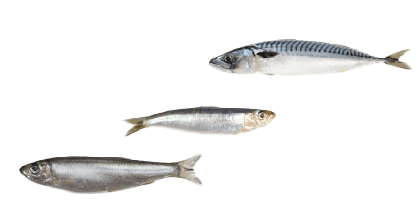
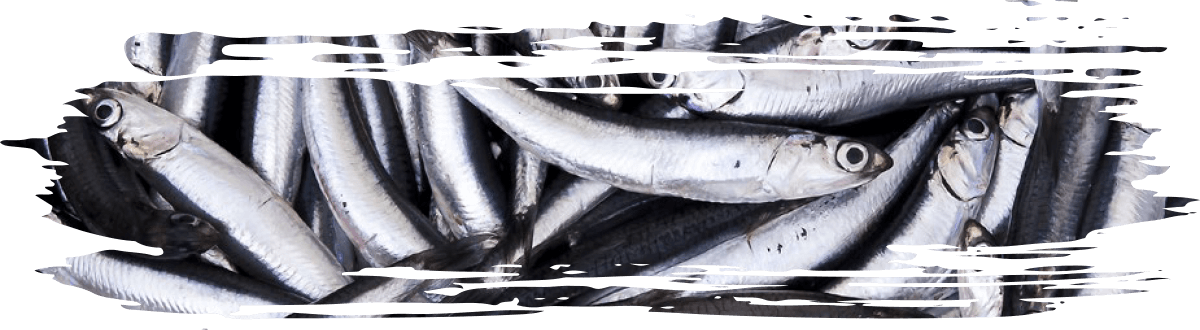
SUSTAINABILITY CONSTRAINTS OF MARINE-DERIVED INGREDIENTS Between 65.0 % and 75.0 % of fishmeal and fish oil are produced using whole fish, particularly small pelagic forage fish such as anchovies, mackerel, sardines, sprat, and menhaden (Oliveira y Vasconcelos, 2020). However, the increasing demand for aquaculture production has led to a higher demand for fish meal and fish oil used in aquafeeds and to the subsequent shortage of pelagic fish and other species used in their production, which is now considered both an ecological and economic concern (Oliveira y Vasconcelos, 2020). ⇒ Therefore, plant-derived ingredients are currently used as substitutes for fish meal and fish oil.
Oilseeds, legumes, and cereal grains such as barley, canola, corn, cottonseed, peas/lupins, and wheat are:
Soy products are the most widely used plant-based ingredients as substitutes for fishmeal. Soybean meal is the most common ingredient used as an alternative to fish meal in fish feed. It usually constitutes between 15 % and 45 % of aquafeeds for herbivorous and omnivorous fish (Tacon et al., 2011a).
MYCOTOXIN CONTAMINATION ON AQUAFEED
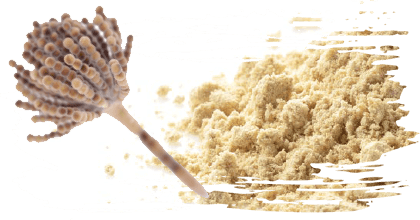
Mycotoxins are natural compounds produced as secondary metabolites by filamentous fungi, including Aspergillus, Penicillium, and Fusarium, which commonly infect a wide variety of foods and feedstuffs worldwide. They can contaminate many crops, including maize, rice, nuts, wheat, soybean, sorghum, and corn, either before or during harvest, or during feed processing and storage.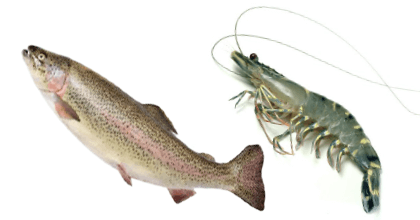
Major mycotoxins include aflatoxins, fumonisins, trichothecenes, zearalenone, and ochratoxin, and their occurrence in commercial aquafeeds is a widespread problem (Gonçalves et al., 2018; Marijani et al., 2017).
 Aflatoxins (Afs) were first detected in black tiger shrimp (Penaeus monodon) feed in the Philippines (Bautista et al., 1994). Afs were later detected in fish feeds from aquaculture operations in Thailand (ALTUĞ and ÖZYURT, 2003) and in commercial shrimp feed in Turkey (Bintvihok et al., 2003). In Thailand, shrimp and fish feed samples were contaminated with zearalenone and ochratoxin A (OTA), whereas in India, shrimp feed was contaminated with Afs (Fegan and Spring, 2007). Zearalenone (ZEN) has been detected in trout feed collected from two farms in northeastern Poland (Woźny et al., 2013). Pietsch et al. (2013) reported the presence of deoxynivalenol (DON) in feed samples for common carp (Cyprinus carpio) from central Europe, while Nácher-Mestre et al. (2015) documented the occurrence of fumonisins (FUM) and DON in feeds for Atlantic salmon (Salmo salar) and gilthead sea bream (Sparus aurata). In Argentina, Afs, OTA, T-2 toxin, DON, and ZEN were detected in salmonid feeds (Greco et al., 2015). Feeds for Nile tilapia (Oreochromis niloticus) and African catfish (Clarias gariepinus) from Kisumu (Kenya), Kigembe (Rwanda), Jinja (Uganda), and other locations were highly contaminated with AF, FUM, and DON (Marijani et al., 2017).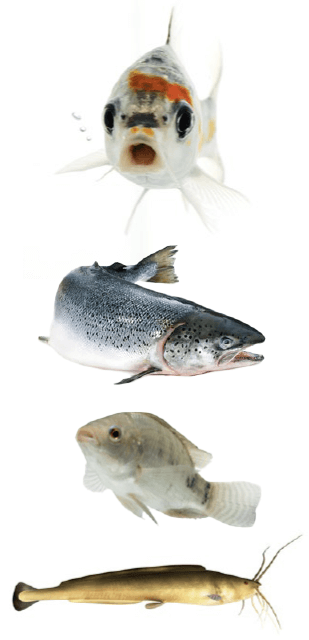
CONVENTIONAL DECONTAMINATION STRATEGIES: STRENGTHS AND LIMITATIONS Physical and chemical techniques for mycotoxin decontamination in feedstuffs have been used for many years.
Physical methods include sorting, cleaning, high-temperature treatment, high-pressure processing, sterilization, cooking, and milling (Grenier et al., 2014; Pankaj et al., 2018). Chemical methods involve the use of agents that reduce or convert mycotoxins into less toxic by-products through ozonation, ammoniation, or hydrogen peroxide treatment (Čolović et al., 2019).
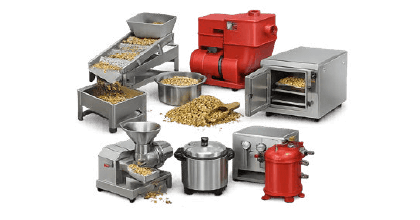
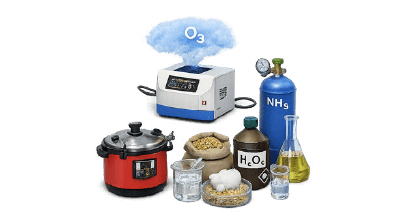
Although these methods can reduce mycotoxin levels, they are often not environmentally friendly, may involve high operational costs, and can produce inconsistent results. They may also decrease the quality and nutritional value of food and feed (Čolović et al., 2019; Pankaj et al., 2018).
NANO-BASED ADSORBENTS AS EMERGING DETOXIFICATION TOOLS Recently, several novel approaches have been investigated for removing mycotoxins from feedstuffs. Nano-based particles have gained increasing attention as a potential solution to mycotoxin contamination in various feed matrices. Nano-adsorbents are nanoscale porous materials (typically ≤ 100 nm) that can be engineered to bind mycotoxin molecules in complex matrices, including fish feed. Nanoparticles with the capacity to function as mycotoxin adsorbents in aquaculture feed.
GRAPHENE-BASED NANOSHEETS
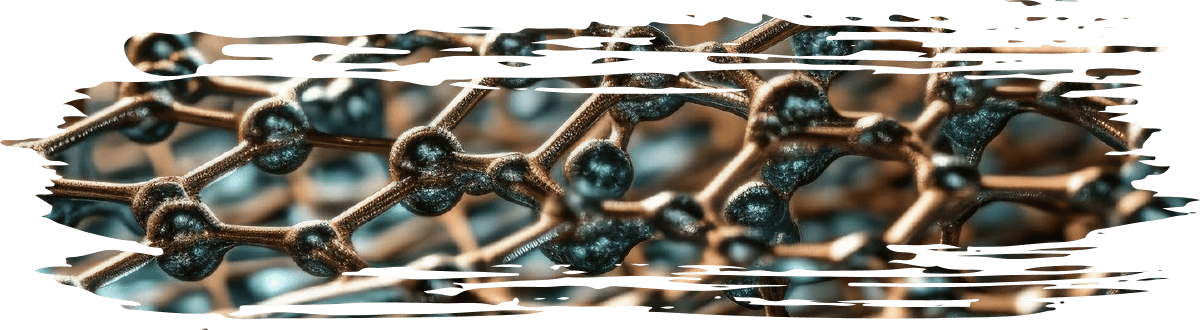
Graphene nanosheets consist of a monolayer of sp²-hybridized carbon atoms and possess significant adsorption properties due to the presence of polarized sites, either electron-rich or electron-depleted, which allow for the delocalization of π electrons (Ersan et al., 2017). Graphene nanosheets include:
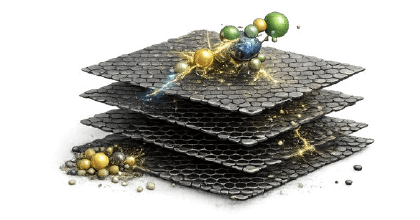
Graphene oxide (GO) consists of a singleatom- thick sheet of carbon atoms arranged in a honeycomb lattice, providing an excellent platform for the fabrication of metal nanoparticle (NP)-based composites (NP) (Ye et al., 2016). Either alone or incorporated into composite materials, it demonstrates strong potential for the adsorption and removal of various substances, including mycotoxins due to its hydrophobicity and large surface area (Ye et al., 2016). Recent studies have investigated the use of graphene-based materials for the adsorption of mycotoxins. For example, graphene oxide at 10 mg/g showed adsorption capacities of 0.045 mg/g for aflatoxin, 0.53 mg/g for zearalenone, and 1.69 mg/g for deoxynivalenol at 37 °C in crushed wheat (Horky et al., 2020). However, GO nanosheets have several limitations that restrict their direct real-world application:
 Difficulties in recovery and reuseIncomplete separation from adsorbed mycotoxins by sedimentation or filtrationPotential presence of undesirable residues in food products
To overcome these limitations, the combination of GO with magnetic NPs offers a promising solution, as the application of an external magnetic field facilitates rapid separation while requiring less energy than conventional methods (Fu et al., 2014). GO can also be chemically modified through the introduction of additional functional groups or by grafting various polymers, such as chitosan, imidazole, poly(N-vinylcarbazole), polyaniline, and poly(allylamine hydrochloride), to increase its adsorption capacity (Bytesnikova et al., 2021).  In addition, the improved recovery efficiency and relatively low production cost of magnetic graphene oxide (MGO) represent significant advantages that enhance its industrial applicability.
Ji and Xie (2020) prepared magnetic graphene oxide (MGO) and magnetic reduced graphene oxide (MrGO) through the coprecipitation of Fe3O4 nanoparticles onto GO/rGO nanosheets to remove AFB1 from contaminated rice bran oil. Their findings showed that the MGO adsorbent removed up to 88.82 % of AFB1, indicating strong potential for practical applications.Abbasi Pirouz et al. (2018) developed a series of innovative adsorbents based on chitosanmodified magnetic graphene oxide (MGO-CTS), designed for the simultaneous adsorption of AFB1, OTA, and ZEN in animal feed. These surface modifications can significantly improve the mycotoxin adsorption efficiency of GO.
A functionalized graphene oxide (FGO) system modified with the amphiphilic molecule didodecyldimethylammonium bromide (DDAB) was developed for the removal of ZEN from corn oil and exhibited a maximum adsorption capacity of 23.75 mg g-1 for ZEN. ZEN molecules interacted with functional groups on the FGO surface through π–π interactions and hydrogen bonding, resulting in effective chemical adsorption (Bai et al., 2018). GO-coated silica nanocomposites have been used as solid-phase adsorbents to optimize extraction conditions for the determination of aflatoxins in cereals using HPLC-FLD (Yu et al., 2018).
NANO-CLAY PARTICLES
Clays and clay derivatives, including montmorillonite, bentonite, zeolite, halloysite, attapulgite, and rectorite, have been used as clay mineral–based nano-adsorbents. They are used to remove various pollutants, including heavy metals and mycotoxins, owing to their:
 Physicochemical properties High specific surface area Large cation exchange capacity and selectivity Surface hydrophilicity Surface electronegativity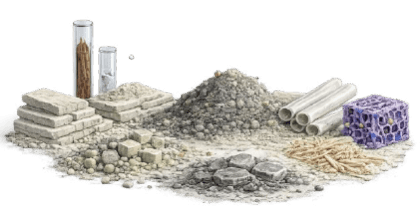
Clay-based nanoparticles have been evaluated for the removal of mycotoxins from various feed samples:
An attapulgite nanocomposite incorporated with Fe3O4 exhibited a high capacity to eliminate AFB1 from peanut oil, achieving a removal rate of 86.82 % at a 0.3 % dosage (Ji and Xie, 2021). Karami-Osboo et al. (2020) reported the use of nanozeolite to reduce mycotoxin levels in barley flour. In their study, an extract of the medicinal plant Centaurea cyanus was used as both a reducing and capping agent in the green synthesis of a magnetic zeolite nanocomposite (MZNC). Wang et al. (2020) investigated the influence of magnetic halloysite nanotubes on adsorption performance, recovery rate, and the isotherm and kinetic parameters of cereal samples contaminated with ZEN. During fabrication, template molecules are used to create specific recognition sites in surface molecularly imprinted polymers (SPMIPs). After removal of the template, the modified structures were able to selectively recognize and adsorb ZEN.
Zhang et al. (2020) modified nanomontmorillonite using stearyl trimethyl ammonium bromide (STAB), producing NMMT-STAB with a markedly enhanced adsorption capacity compared to unmodified NMMT in dairy cow rumen fluid. This modification resulted in 1.36-, 4.81-, and 1.92-fold increases in the reduction of AFB1, ZEN, and DON, respectively. Sun et al. (2020) developed a series of organomontmorillonites by modifying montmorillonite with binary mixtures of non-ionic and zwitterionic surfactants (NZMts) for the simultaneous adsorption of AFB1 and ZEN in aqueous solutions. Among the prepared materials, 1.5NZMts demonstrated the highest adsorption capacity, reaching 4.87 mg/g for AFB1 and 49.26 mg/g for ZEN.
METAL OXIDE NANOPARTICLES Metal oxide nanoparticles (MONPs) are inorganic particles with surface hydroxyl groups that possess a high surface area and surface charge, enabling them to efficiently interact with various mycotoxins through electrostatic attraction, surface complexation, hydrogen bonding, and photocatalytic degradation (Prasanna et al., 2019).
In addition to aflatoxins, metal oxide nanoparticles have been investigated for the adsorption of DON and ZEN.Titanium dioxide (TiO2), zinc oxide (ZnO), and iron(III) oxide (Fe2O3) have been widely investigated for the removal and detoxification of mycotoxins in food and feed samples.
ZnO nanoparticles at 0.10 mg/mL completely removed 10 μg/L of AFB1 from an aqueous solution after 60 min of UV irradiation (Raesi et al., 2022). In a study comparing metal oxide nanoparticles with commercial antifungal feed additives, ZnO and Fe2O3 nanoparticles reduced the growth of Aspergillus flavus and significantly decreased aflatoxin B1 production in contaminated feed samples. These findings indicate their functional role in reducing fungal proliferation and toxin production prior to severe contamination (Nabawy et al., 2014).
ZnO nanoparticles bioproduced by Pseudomonas poae (P. poae) inhibited fungal growth, colony formation, and spore germination of Fusarium graminearum in wheat and significantly reduced DON synthesis (Ibrahim et al., 2024). A ZnO@mSiO2 nanocomposite decreased toxin production by A. flavus and F. graminearum in maize flour by over 64.11 % and 80.53 %, respectively. In maize kernels, DON, ZEN, AFB1, AFB2, AFG1, and AFG2 were all inhibited by more than 81.3 (Xu et al., 2025).
Metal oxide nanoparticles are chemically stable and mechanically robust, with multifunctional adsorption and degradation mechanisms. However, concerns regarding nanoparticle aggregation, potential toxicity, and regulatory acceptance in feed applications remain important considerations for practical implementation.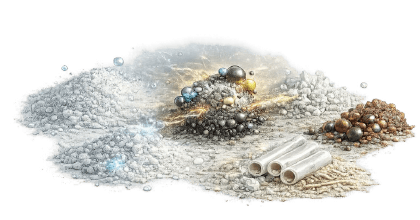
METAL-ORGANIC FRAMEWORKS (MOFs)
Metal–organic frameworks (MOFs) are crystalline materials composed of metal ions or metal cluster nodes connected by multidentate organic ligands through coordination bonds (Liu et al., 2021). They exhibit high surface areas and porous architectures, which make them highly effective for functional enrichment and extraction processes, particularly in the detection of environmental pollutants (J. Li et al., 2020).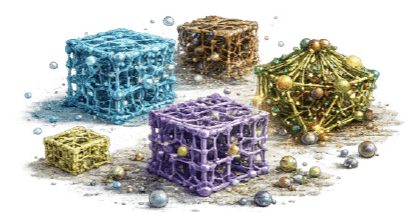
Several studies have investigated MOF-based adsorbents for the removal of mycotoxins, particularly AFB1: Several limitations restrict the practical application of MOFs in food and feed matrices:
Samuel et al. (2021) reported the fabrication of aminefunctionalized Zn-based MOF crystals for the efficient removal of AFB1 from wastewater. Their findings demonstrated that AFB1 molecules were adsorbed as a monolayer onto the functional sites of NH2-Zn(BDC) (DMF) MOFs through π–π stacking interactions. The MOF material MIL-101(Fe) exhibited a significant adsorption capacity toward AFB1, reaching 30.58 mg/g. Surface modification of MIL-101(Fe) with chlorotrimethylsilane (TMCS) produced the hydrophobic derivative TMCS-MIL-101, which effectively removed AFB1 from peanut oil. Combined XRD characterization and computational analyses indicated that van der Waals interactions between the framework ligands and AFB1 molecules play a key role in the adsorption mechanism (Liu et al., 2022). Ma et al. (2021) developed a series of Cu-based MOF-derived porous materials as efficient adsorbents to eliminate AFB1 from contaminated vegetable oils. Based on the Langmuir isotherm model, AFB1 adsorption onto the Cu-BTC MOF occurred on a homogeneous surface with abundant active sites, consistent with a monolayer adsorption mechanism. Notably, the fabricated MOF material tested in oil exhibited no significant cytotoxicity, suggesting that the porous carbonaceous material derived from Cu-BTC MOF holds promise as a safe and effective adsorbent for AFB1 removal in the food industry.
MAGNETIC NANO-ABSORBENTS
Magnetic nano-adsorbents consist of a magnetic core surrounded by a functional coating shell.
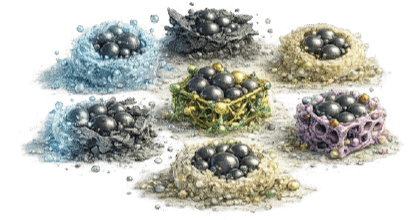
These materials bind mycotoxins via hydrogen bonding, π–π stacking, electrostatic interactions, or hydrophobic interactions (Ramadan et al., 2020).
Several studies have evaluated the use of magnetic nanocomposites for the removal of mycotoxins from feeds: Magnetic nano-adsorbents exhibit rapid magnetic separation, enabling efficient recovery from complex matrices without the need for filtration or centrifugation. Their large specific surface area enhances adsorption capacity, while the tunable surface chemistry of the functional shell allows the introduction of selective binding sites for different mycotoxins. Furthermore, many magnetic nanocomposites demonstrate good reusability after adsorption– desorption cycles, making them cost-effective and potentially sustainable (Lü et al., 2024). However, several limitations remain:
A magnetic Fe3O4/zeolite nanocomposite prepared using Centaurea cyanus extract demonstrated rapid and sensitive extraction of AFB1, AFG1, AFB2 and AFG2 from rice samples. Binding of aflatoxins ranged from 2–10 ng/g, and extraction efficiencies of 82–96 % were achieved within the first minute of contact. The limits of detection (LODs) were 0.1 and 0.02 ng g-1, and the limits of quantification (LOQs) were 0.4 and 0.08 ng g-1 for AFB1/AFG1 and AFB2/ AFG2, respectively (Karami-Osboo et al., 2020). Magnetic molecularly imprinted polymers formed by integrating magnetic Fe3O4 with commercial molecularly imprinted polymers were used for the selective extraction of AFB1, AFB2, AFG1 and AFG2 from pig feeds. The nanocomposite extracted aflatoxins at concentrations between 0.2 and 3.2 ng/g, with LOQs ranging from 0.09 to 0.47 ng/g (Pérez-Álvarez et al., 2024). Magnetic graphene oxide nanocomposites (MGO) have been used as adsorbents for Fusarium mycotoxins in naturally contaminated palm kernel cake (PKC), achieving reductions of 69.57 %, 67.28 %, 57.40 %, and 37.17 % for DON, ZEN, HT-2, and T-2, respectively (Pirouz et al., 2017).
PRACTICAL LIMITATIONS AND FUTURE PERSPECTIVES OF NANO-ADSORBENTS IN AQUACULTURE
The matrix effect associated with the complex composition of fish feeds is a major concern, as components such as proteins, lipids, carbohydrates, and minerals may compete with mycotoxins for available adsorption sites, thereby reducing binding efficiency. Moreover, certain nano-adsorbents exhibit high affinity toward specific mycotoxins, such as aflatoxins, due to favorable molecular interactions (π–π stacking and hydrophobic interactions), while showing lower binding efficiency for other toxins such as DON and ZEN. Safety considerations are particularly important for large-scale applications. Current research focuses on the development of broad-spectrum nano-adsorbents capable of capturing multiple classes of mycotoxins. Emerging approaches also aim to use nano-adsorbents as multifunctional feed additives that not only adsorb mycotoxins but also improve gut health, modulate immune responses, and enhance growth performance in fish. Despite promising laboratory results (Fadl et al., 2020; Ghobish et al., 2025), commercial applications in aquaculture remain at an early stage.This competitive adsorption can alter surface interactions and affect adsorption capacity (Ghobish et al., 2025). Consequently, achieving broad-spectrum adsorption remains a significant challenge in feedstuffs contaminated with multiple mycotoxins (Song y Qin, 2022).
Further in vivo investigations are required to confirm long-term safety, efficacy, and economic feasibility under practical farm conditions.
CONCLUSIONS The application of nano-adsorbents represents a promising and innovative approach to mitigate mycotoxin contamination in aquaculture feed, thereby addressing the critical challenges associated with the increasing use of plant-based ingredients. Various nanomaterials, including graphene-based nanosheets, nano-clays, metal oxide nanoparticles, metal–organic frameworks, and magnetic nano-adsorbents, have demonstrated significant adsorption capacities through diverse mechanisms such as electrostatic attraction, hydrogen bonding, and π–π interactions.
Advances in functionalization techniques have further enhanced the efficiency and selectivity of mycotoxin removal. However, practical implementation in aquafeed systems remains constrained by several factors. The complex feed matrix may interfere with adsorption efficiency due to competitive binding and many nano-adsorbents exhibit specificity toward certain mycotoxins, thereby limiting broad-spectrum efficacy. In addition, issues such as nanoparticle aggregation, stability under variable conditions, potential toxicity, regulatory barriers, and economic feasibility present significant challenges to large-scale application. Emerging research focused on multifunctional nanoadsorbents that combine mycotoxin detoxification with improvements in fish gut health and growth performance shows considerable potential. To facilitate the transition from laboratory success to commercial adoption, comprehensive in vivo studies and rigorous safety evaluations are essential.
References Abbasi Pirouz, A., Abedi Karjiban, R., Abu Bakar, F., Selamat, J., 2018. A novel adsorbent magnetic graphene oxide modified with chitosan for the simultaneous reduction of mycotoxins. Toxins 10, 361. ALTUĞ, G., ÖZYURT, G., 2003. Level of aflatoxin in some fish feeds from fish farming processes, feed factories and imported feeds. Turkish Journal of Veterinary & Animal Sciences 27, 1247-1252. Awad, A.M., Shaikh, S.M., Jalab, R., Gulied, M.H., Nasser, M.S., Benamor, A., Adham, S., 2019. Adsorption of organic pollutants by natural and modified clays: a comprehensive review. Separation and Purification Technology 228, 115719. Bai, X., Sun, C., Xu, J., Liu, D., Han, Y., Wu, S., Luo, X., 2018. Detoxification of zearalenone from corn oil by adsorption of functionalized GO systems. Applied surface science 430, 198-207. Bautista, M.N., Lavilla‐Pitogo, C.R., Subosa, P.F., Begino, E.T., 1994. Aflatoxin B1 contamination of shrimp feeds and its effect on growth and hepatopancreas of pre‐adult Penaeus monodon. Journal of the Science of Food and Agriculture 65, 5-11. Bintvihok, A., Ponpornpisit, A., Tangtrongpiros, J., Panichkriangkrai, W., Rattanapanee, R., Doi, K., Kumagai, S., 2003. Aflatoxin contamination in shrimp feed and effects of aflatoxin addition to feed on shrimp production. Journal of food protection 66, 882-885. Bytesnikova, Z., Adam, V., Richtera, L., 2021. Graphene oxide as a novel tool for mycotoxin removal. Food Control 121, 107611. Castell, A., Arroyo-Manzanares, N., Viñas, P., López-García, I., Campillo, N., 2024. Advanced materials for magnetic solid-phase extraction of mycotoxins: A review. TrAC Trends in Analytical Chemistry 178, 117826. Čolović, R., Puvača, N., Cheli, F., Avantaggiato, G., Greco, D., Đuragić, O., Kos, J., Pinotti, L., 2019. Decontamination of mycotoxin-contaminated feedstuffs and compound feed. Toxins 11, 617. da Rocha, M.E.B., Freire, F.d.C.O., Maia, F.E.F., Guedes, M.I.F., Rondina, D., 2014. Mycotoxins and their effects on human and animal health. Food Control 36, 159-165. Deng, Y., Wang, Y., Deng, Q., Sun, L., Wang, R., Ye, L., Tao, S., Liao, J., Gooneratne, R., 2021. Fungal diversity and mycotoxin contamination in dried fish products in Zhanjiang market, China. Food control 121, 107614. Deutsch, L., Gräslund, S., Folke, C., Troell, M., Huitric, M., Kautsky, N., Lebel, L., 2007. Feeding aquaculture growth through globalization: Exploitation of marine ecosystems for fishmeal. Global Environmental Change 17, 238-249. Ersan, G., Apul, O.G., Perreault, F., Karanfil, T., 2017. Adsorption of organic contaminants by graphene nanosheets: A review. Water research 126, 385-398. Fadl, S.E., El-Shenawy, A.M., Gad, D.M., El Daysty, E.M., El-Sheshtawy, H.S., Abdo, W.S., 2020. Trial for reduction of Ochratoxin A residues in fish feed by using nano particles of hydrated sodium aluminum silicates (NPsHSCAS) and copper oxide. Toxicon 184, 1-9. Fegan, D., Spring, P. 2007. Recognizing the reality of the aquaculture mycotoxin problem: searching for a common and effective solution. In: Nutritional biotechnology in the feed and food industries: Proceedings of Alltech’s 23rd Annual Symposium. The new energy crisis: food, feed or fuel?, 343-354. Fu, Y., Wang, J., Liu, Q., Zeng, H., 2014. Water-dispersible magnetic nanoparticle–graphene oxide composites for selenium removal. Carbon 77, 710-721. Ghobish, A.M., El-Nokrashy, A.M., Elshafey, A.E., Tayel, A.A., 2025. Investigating the potential of chitosan-nanocomposites as a bio-based adsorbent for sustainable aflatoxin eradication from fish feed. Egyptian Journal of Veterinary Sciences 56, 2575-2587. Gonçalves, R.A., Naehrer, K., Santos, G.A., 2018. Occurrence of mycotoxins in commercial aquafeeds in Asia and Europe: a real risk to aquaculture? Reviews in Aquaculture 10, 263-280. Greco, M., Pardo, A., Pose, G., 2015. Mycotoxigenic fungi and natural co occurrence of mycotoxins in rainbow trout (Oncorhynchus mykiss) feeds. Toxins 7, 4595-4609. Grenier, B., Loureiro‐Bracarense, A.P., Leslie, J.F., Oswald, I.P., 2014. Physical and chemical methods for mycotoxin decontamination in maize. Mycotoxin reduction in grain chains, 116-129. Guillen, J., Natale, F., Carvalho, N., Casey, J., Hofherr, J., Druon, J.-N., Fiore, G., Gibin, M., Zanzi, A., Martinsohn, J.T., 2019. Global seafood consumption footprint. Ambio 48, 111-122. Horky, P., Venusova, E., Aulichova, T., Ridoskova, A., Skladanka, J., Skalickova, S., 2020. Usability of graphene oxide as a mycotoxin binder: In vitro study. PLoS One 15, e0239479. Ibrahim, E., Xu, L., Nasser, R., Adel, A.-S.M., Hafeez, R., Ogunyemi, S.O., Abdallah, Y., Zhang, Z., Shou, L., Wang, D., Li, B., 2024. Utilizing zinc oxide nanoparticles as an environmentally safe biosystem to mitigate mycotoxicity and suppress Fusarium graminearium colonization in wheat. Sustainable Materials and Technologies 41, e01028. Jackson, A., 2012. Fishmeal and fish oil and its role in sustainable aquaculture. International aquafeed 15, 18-21. Ji, J., Xie, W., 2020. Detoxification of Aflatoxin B1 by magnetic graphene composite adsorbents from contaminated oils. Journal of hazardous materials 381, 120915. Ji, J., Xie, W., 2021. Removal of aflatoxin B1 from contaminated peanut oils using magnetic attapulgite. Food Chemistry 339, 128072. Karami-Osboo, R., Maham, M., Nasrollahzadeh, M., 2020. Rapid and sensitive extraction of aflatoxins by Fe3O4/zeolite nanocomposite adsorbent in rice samples. Microchemical Journal 158, 105206. Karami‐Osboo, R., Maham, M., Nasrollahzadeh, M., 2020. Synthesised magnetic nano‐zeolite as a mycotoxins binder to reduce the toxicity of aflatoxins, zearalenone, ochratoxin A, and deoxynivalenol in barley. Iet Nanobiotechnology 14, 623-627. Koletsi, P., Schrama, J.W., Graat, E.A., Wiegertjes, G.F., Lyons, P., Pietsch, C., 2021. The Occurrence of Mycotoxins in Raw Materials and Fish Feeds in Europe and the Potential Effects of Deoxynivalenol (DON) on the Health and Growth of Farmed Fish Species—A Review. Toxins 13, 403. Liu, C., Wang, J., Wan, J., Yu, C., 2021. MOF-on-MOF hybrids: Synthesis and applications. Coordination Chemistry Reviews 432, 213743. Liu, Y.Q., Song, C.G., Ding, G., Yang, J., Wu, J.R., Wu, G., Zhang, M.Z., Song, C., Guo, L.P., Qin, J.C., 2022. High‐performance functional Fe‐ MOF for removing aflatoxin B1 and other organic pollutants. Advanced Materials Interfaces 9, 2102480. LÜ, J., Guo, M., Zhang, H., Kong, D., Luo, J., Yang, M., 2024. Research Progress on the Preparation and Modification of Magnetic Nanomaterials and Their Application in Mycotoxin Detection and Removal. Food Science 45, 357-366. Ma, F., Cai, X., Mao, J., Yu, L., Li, P., 2021. Adsorptive removal of aflatoxin B1 from vegetable oils via novel adsorbents derived from a metal-organic framework. Journal of Hazardous Materials 412, 125170. Mahaye, N., 2025. Nanotechnology in Aquaculture: Food Safety, Human Health Risks, and Regulatory Challenges. Food and Drug Safety 2, 70-89. Marijani, E., Wainaina, J.M., Charo-Karisa, H., Nzayisenga, L., Munguti, J., Gnonlonfin, G.J.B., Kigadye, E., Okoth, S., 2017. Mycoflora and mycotoxins in finished fish feed and feed ingredients from smallholder farms in East Africa. The Egyptian Journal of Aquatic Research 43, 169-176. Marinho, T.C., Gomez-Aviles, A., Herrasti, P., 2025. Metal–organic frameworks (MOFs) for adsorption and degradation of microplastics. Microplastics 4, 11. Matejova, I., Svobodova, Z., Vakula, J., Mares, J., Modra, H., 2017. Impact of mycotoxins on aquaculture fish species: a review. Journal of the world aquaculture society 48, 186-200. Mwihia, E.W., Lyche, J.L., Mbuthia, P.G., Ivanova, L., Uhlig, S., Gathumbi, J.K., Maina, J.G., Eshitera, E.E., Eriksen, G.S., 2020. Co-Occurrence and levels of mycotoxins in fish feeds in Kenya. Toxins 12, 627. Nabawy, G.A., Hassan, A.A., Sayed El-Ahl, R., Refai, M.K., 2014. Effect of metal nanoparticles in comparison with commercial antifungal feed additives on the growth of Aspergillus flavus and aflatoxin b1 production. J. Glob. Biosci 3, 954-971. Nácher-Mestre, J., Serrano, R., Beltrán, E., Pérez-Sánchez, J., Silva, J., Karalazos, V., Hernandez, F., Berntssen, M.H., 2015. Occurrence and potential transfer of mycotoxins in gilthead sea bream and Atlantic salmon by use of novel alternative feed ingredients. Chemosphere 128, 314-320. Oliveira, M., Vasconcelos, V., 2020. Occurrence of mycotoxins in fish feed and its effects: A review. Toxins 12, 160. Omotayo, O.P., Omotayo, A.O., Mwanza, M., Babalola, O.O., 2019. Prevalence of mycotoxins and their consequences on human health. Toxicological research 35, 1-7. Pankaj, S., Shi, H., Keener, K.M., 2018. A review of novel physical and chemical decontamination technologies for aflatoxin in food. Trends in Food Science & Technology 71, 73-83. Pérez-Álvarez, M.d.C., Arroyo-Manzanares, N., Campillo, N., Viñas, P., 2024. Magnetic Molecularly Imprinted Polymers for Selective Extraction of Aflatoxins from Feeds. Toxins 16, 120. Pietsch, C., 2020. Risk assessment for mycotoxin contamination in fish feeds in Europe. Mycotoxin research 36, 41-62. Pietsch, C., Kersten, S., Burkhardt-Holm, P., Valenta, H., Dänicke, S., 2013. Occurrence of deoxynivalenol and zearalenone in commercial fish feed: An initial study. Toxins 5, 184-192. Pirouz, A., Selamat, J., Iqbal, S., Mirhosseini, H., Karjiban, R.A., Bakar, F.A., 2017. The use of innovative and efficient nanocomposite (magnetic graphene oxide) for the reduction on of Fusarium mycotoxins in palm kernel cake. Scientific Reports 7, 12453. Prasanna, S.S., Balaji, K., Pandey, S., Rana, S. 2019. Metal oxide based nanomaterials and their polymer nanocomposites, In: Nanomaterials and polymer nanocomposites. Elsevier, 123-144. Raesi, S., Mohammadi, R., Khammar, Z., Paimard, G., Abdalbeygi, S., Sarlak, Z., Rouhi, M., 2022. Photocatalytic detoxification of aflatoxin B1 in an aqueous solution and soymilk using nano metal oxides under UV light: Kinetic and isotherm models. LWT 154, 112638. Ramadan, M.M., Mohamed, M.A., Almoammar, H., Abd-Elsalam, K.A. 2020. Magnetic nanomaterials for purification, detection, and control of mycotoxins, In: Nanomycotoxicology. Elsevier, 87-114. Samuel, M.S., Kirankumar, V., Selvarajan, E., 2021. Fabrication of a metal-organic framework composite for removal of Aflatoxin B1 from water. Journal of Environmental Chemical Engineering 9, 104966. Song, C., Qin, J., 2022. High-performance fabricated nano-adsorbents as emerging approach for removal of mycotoxins: a review. International Journal of Food Science and Technology 57, 5781-5789. Sun, Z., Lian, C., Li, C., Zheng, S., 2020. Investigations on organo montmorillonites modified by binary nonionic/zwitterionic surfactant mixtures for simultaneous adsorption of aflatoxin B1 and zearalenone. Journal of colloid and interface science 565, 11-22. Tacon, A.G., Hasan, M.R., Metian, M., 2011a. Demand and supply of feed ingredients for farmed fish and crustaceans: trends and prospects. FAO Fisheries and Aquaculture technical paper, I. Tacon, A.G., Hasan, M.R., Metian, M., 2011b. Demand and supply of feed ingredients for farmed fish and crustaceans: trends and prospects. FAO. Tacon, A.G., Metian, M., 2013. Fish matters: importance of aquatic foods in human nutrition and global food supply. Reviews in fisheries Science 21, 22-38. Wang, H., He, J., Song, L., Zhang, Y., Xu, M., Huang, Z., Jin, L., Ba, X., Li, Y., You, L., 2020. Etching of halloysite nanotubes hollow imprinted materials as adsorbent for extracting of Zearalenone from grain samples. Microchemical Journal 157, 104953. Woźny, M., Obremski, K., Jakimiuk, E., Gusiatin, M., Brzuzan, P., 2013. Zearalenone contamination in rainbow trout farms in north-eastern Poland. Aquaculture 416, 209-211. Xu, S.-Y., Wang, Z.-Y., Wu, Q., Hu, F.-W., Zhao, J.-F., Zhang, Y.-R., Zhang, D.-D., 2025. Inhibition of fungal mycelial growth and mycotoxin production using ZnO@mSiO2 nanocomposite during maize storage. Food Bioscience 63, 105730. Ye, J., An, Y., Montalvo, E., Campbell, P.G., Worsley, M.A., Tran, I.C., Liu, Y., Wood, B.C., Biener, J., Jiang, H., 2016. Solvent-directed sol-gel assembly of 3-dimensional graphene-tented metal oxides and strong synergistic disparities in lithium storage. Journal of Materials Chemistry A 4, 4032-4043. Yu, L., Ma, F., Ding, X., Wang, H., Li, P., 2018. Silica/graphene oxide nanocomposites: Potential adsorbents for solid phase extraction of trace aflatoxins in cereal crops coupled with high performance liquid chromatography. Food chemistry 245, 1018-1024. Zhang, W., Zhang, L., Jiang, X., Liu, X., Li, Y., Zhang, Y., 2020. Enhanced adsorption removal of aflatoxin B1, zearalenone and deoxynivalenol from dairy cow rumen fluid by modified nano-montmorillonite and evaluation of its mechanism. Animal Feed Science and Technology 259, 114366.
 Micotoxicosis prevention