




Prof. Dr. Ksenija Aksentijević Faculty of Veterinary Medicine University of Belgrade
Mycotoxin contamination in freshwater aquaculture should be regarded as a practical feed-safety and production-risk issue rather than a marginal toxicological concern. In Serbian common carp (Cyprinus carpio) farming, semi-intensive pond systems frequently rely on cereal-based supplemental feeds containing maize, wheat, soybean meal, sunflower meal, and other locally stored plant materials. These ingredients are recognised carriers of aflatoxins, ochratoxin A, fumonisins, zearalenone, deoxynivalenol, T-2 toxin, and HT-2 toxin (Rokvić et al. 2020; Koletsi et al. 2021).
The central problem is not only the presence of individual mycotoxins above regulatory limits, but also repeated dietary exposure to mixtures of several toxins at low or moderate concentrations. Chronic exposure to mycotoxin mixtures may: (Anater et al., 2016; Matejova et al., 2017; Hussein et al., 2024a,b) Therefore, a feed batch that complies with single-toxin thresholds should not automatically be considered biologically neutral, particularly in fish exposed over long production cycles under variable pond conditions.
 Impair hepatic, intestinal, renal, immune, and microbiome-associated functions. Reduce feed utilisation. Weaken resilience to environmental stressors. Increase susceptibility to secondary infectious diseases.
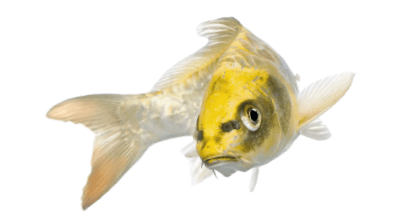
SERBIAN CARP PRODUCTION AS A REALISTIC EXPOSURE SCENARIO Common carp is the dominant freshwater aquaculture species in Serbia, and its production is commonly based on semi-intensive pond systems in which natural food resources are supplemented with cereal-rich feeds.
This production model creates several specific exposure risks:
Carp feed at or near the pond bottom. Production cycles are relatively long.
Feed ingredients are often influenced by crop year, drying efficiency, storage temperature, moisture content, insect damage, supplier variability, and on-farm feed handling.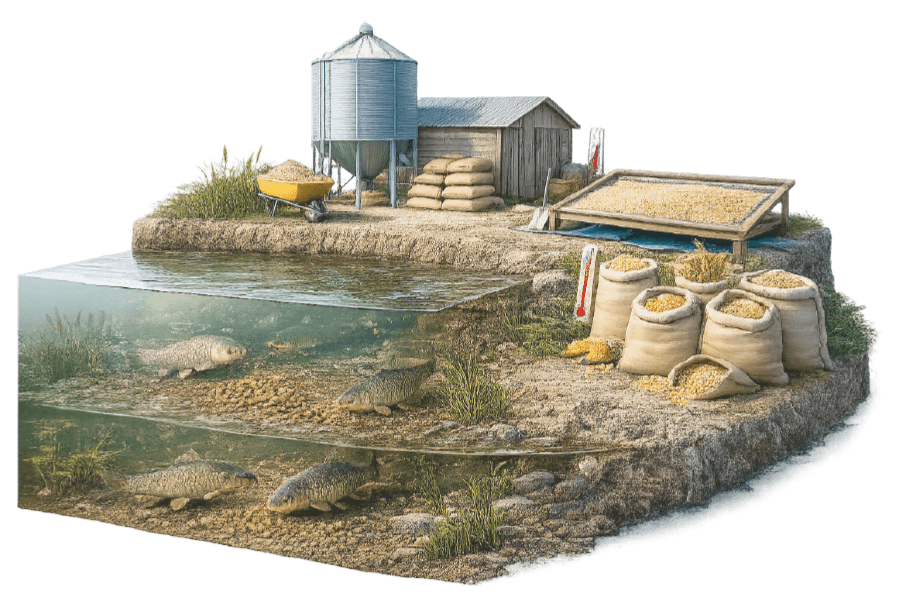
The relevance of this risk has been confirmed under Serbian production conditions.
Ochratoxin A, fumonisins, and aflatoxin B1 were among the most frequently detected contaminants, while co-contamination was common rather than exceptional. ⇒ This finding is important because it shows that Serbian carp farms are dealing not with a theoretical toxicological hazard, but with a realistic feed-quality problem linked to routine ingredient use.
The practical implication is clear: A programme that omits these analytes may appear economically efficient, but from a risk-management perspective, it is incomplete.
LOW-LEVEL MIXTURES AND THE
LIMITS OF SINGLE-TOXIN THRESHOLDS
Regulatory and guidance frameworks provide necessary, but not sufficient, guarantees of biological safety. Within the European Union animal feed regulatory framework:

Routine aquaculture practice is more complex than single-toxin regulation implies. Fish may receive feed containing multiple mycotoxins, each individually below formal rejection or guidance thresholds.
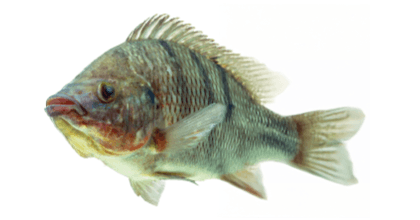
For farm operations, this creates a diagnostic challenge. The initial observable problem may not manifest as classical mycotoxicosis, but rather as: Without investigation of feed contamination, farms may repeatedly treat secondary infections while leaving the predisposing factor unaddressed. ANTICIPATED HEALTH CONSEQUENCES IN COMMON CARP Common carp exposed to contaminated feed may exhibit non-specific clinical signs, including:
 Poor growth.Reduced feed efficiency.Recurrent bacterial disease.Elevated mortality during thermal or hypoxic episodes.Inadequate treatment response.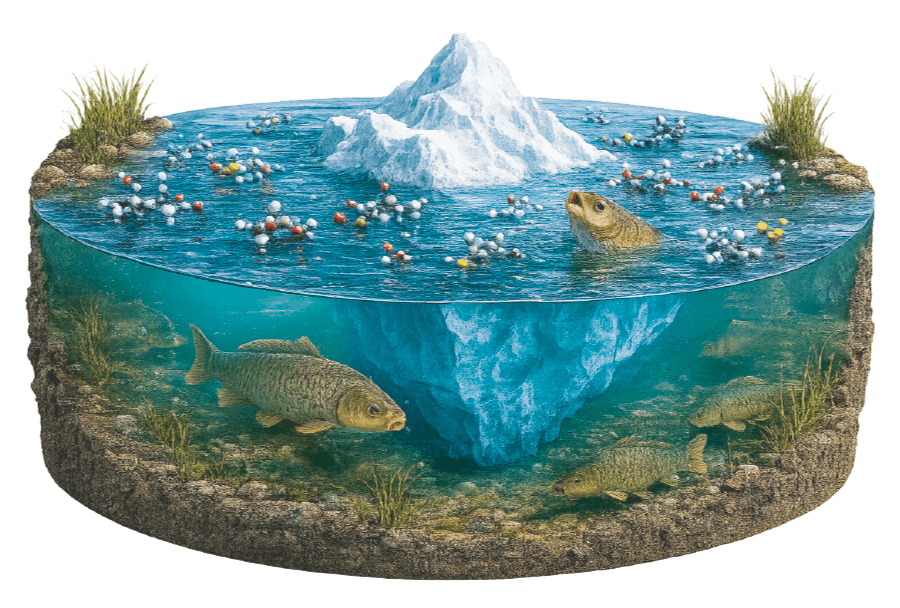
Reduced appetiteGrowth retardationPoor feed conversionUneven size distributionLethargyIncreased susceptibility to bacterial or parasitic diseasesHepatopancreatic damageEnteritisRenal lesionsElevated losses during environmental stress
A rigorous field investigation should therefore integrate feed analysis with fish health diagnostics. ⇒ Examination of fish without feed testing is incomplete, and feed analysis without health outcome recording is similarly insufficient.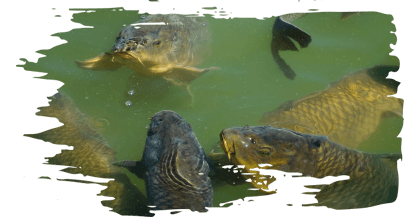 None of these signs is pathognomonic, which explains the frequent underdiagnosis of mycotoxin-associated problems in fish farming.
The minimum comprehensive investigation should include: SCIENTIFIC RATIONALE FOR MODIFIED CLINOPTILOLITE ADSORBENTS Mycotoxin binders are not a substitute for proper feed hygiene, ingredient rejection, or storage control.
 Multi-mycotoxin analysis of raw ingredients and finished feedAssessment of storage conditionsWater quality evaluationBacteriological and parasitological examination when mortality or recurrent disease is presentHistopathological evaluation when chronic exposure is suspected
Correlation of feed batches with growth performance, feed conversion ratio, mortality records, treatment history, and post-mortem findings.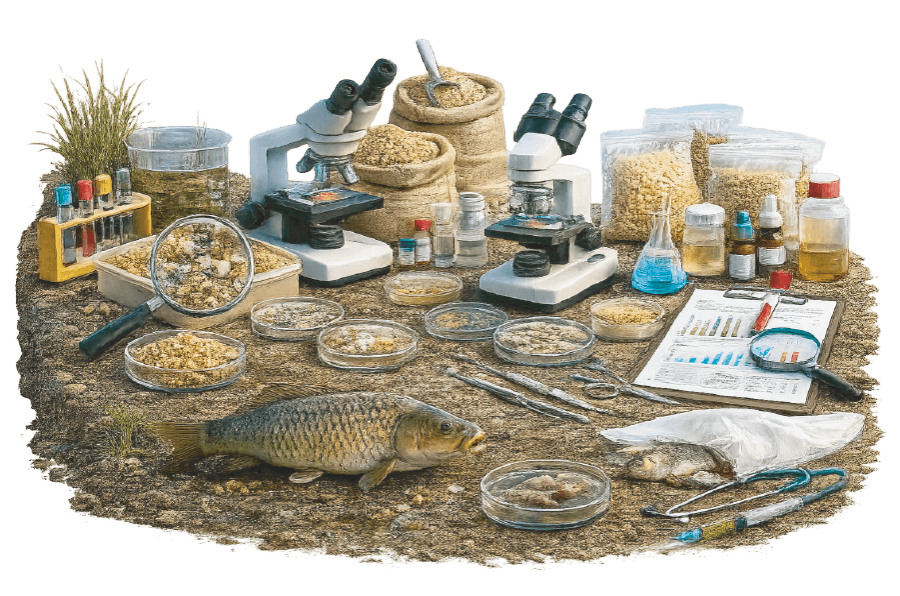
 Used carelessly, they become an excuse for poor-quality raw materials.
 Used correctly, however, they represent a practical and scientifically justified mitigation tool for farms exposed to moderate, mixed mycotoxin contamination.
Clinoptilolite is a natural zeolite with a porous aluminosilicate structure and high cation-exchange capacity. Natural clinoptilolite can bind selected polar mycotoxins, particularly aflatoxin B1, through surface and pore interactions. Less polar or structurally different toxins, including zearalenone, deoxynivalenol, and fumonisins, are generally more difficult to control using unmodified mineral surfaces (Di Gregorio et al., 2014; Kraljević Pavelić et al., 2018). Modified clinoptilolite adsorbents were developed to broaden the binding spectrum by altering surface polarity and increasing the range of possible interactions between the adsorbent and chemically diverse mycotoxins. This is directly relevant to Serbian carp aquaculture because available data indicate that feed ingredients and finished feeds are more often affected by co-contamination than by isolated single-toxin exposure (Rokvić et al., 2020). This distinction is important… Natural zeolite may be useful against selected toxins, but modified clinoptilolite is better aligned with the real problem in cereal-based aquafeeds: simultaneous exposure to chemically diverse mycotoxins.Its major limitation is that binding efficiency is not uniform across all mycotoxins.
The scientific advantage of modified clinoptilolite is therefore not merely that it belongs to the zeolite group, but that modification may improve its relevance for mixed-contamination scenarios.
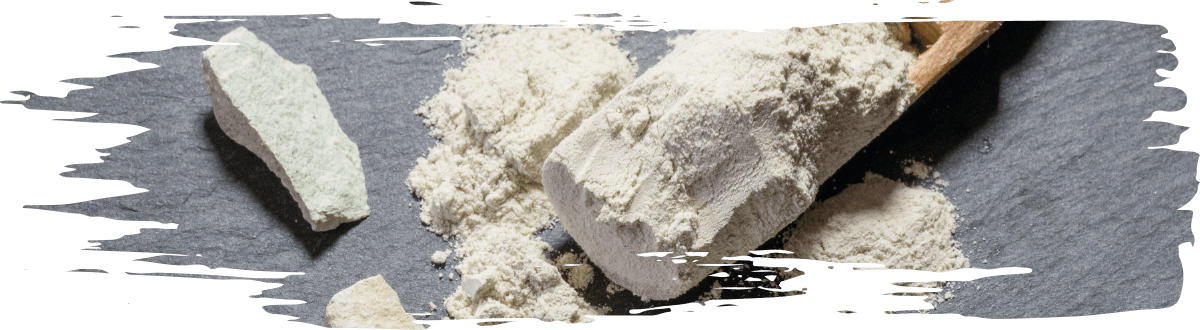
Recent experimental data in fish support this concept, showing that organically modified clinoptilolite can mitigate the biological effects of low-level multi-mycotoxin exposure in Nile tilapia (Hussein et al., 2024a,b). Additional aquaculture studies also support the broader relevance of modified zeolite-based additives in fish nutrition and mycotoxin-risk mitigation (Zahran et al., 2020; Kaya et al., 2022; Phukliang et al., 2025).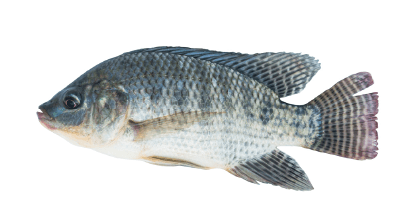
Importantly, the use of modified zeolite in common carp is not supported solely by extrapolation from other fish species.
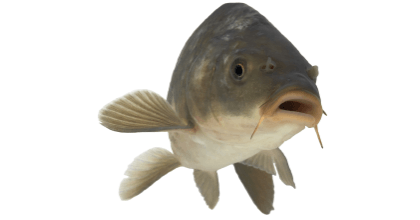
Palic, Aksentijević and Vasiljević presented production data on common carp during dietary application of a modified zeolite/clinoptilolite mycotoxin absorbent at Aquaculture Europe 2017 (Palic et al., 2017). Although this was a conference poster rather than a full peer-reviewed experimental paper, it provides carp-specific production-level evidence that modified clinoptilolite-based additives are relevant for evaluation in common carp feeding systems. ⇒ This strengthens the rationale for their targeted use under Serbian pond conditions, particularly when mycotoxin exposure is documented or strongly suspected.
Nevertheless, the conclusion must remain balanced.
PRACTICAL APPLICATION IN SERBIAN CARP FARMS Modified clinoptilolite adsorbents are most defensible under high-risk production conditions:
Cereal-based feed formulations Locally stored maize or wheat Warm and humid storage environments Visibly damaged or mould-affected grain Prolonged feed storage Inconsistent supplier quality Unexplained poor feed conversion Recurrent bacterial outbreaks Increased losses during thermalHypoxic or other environmental stress events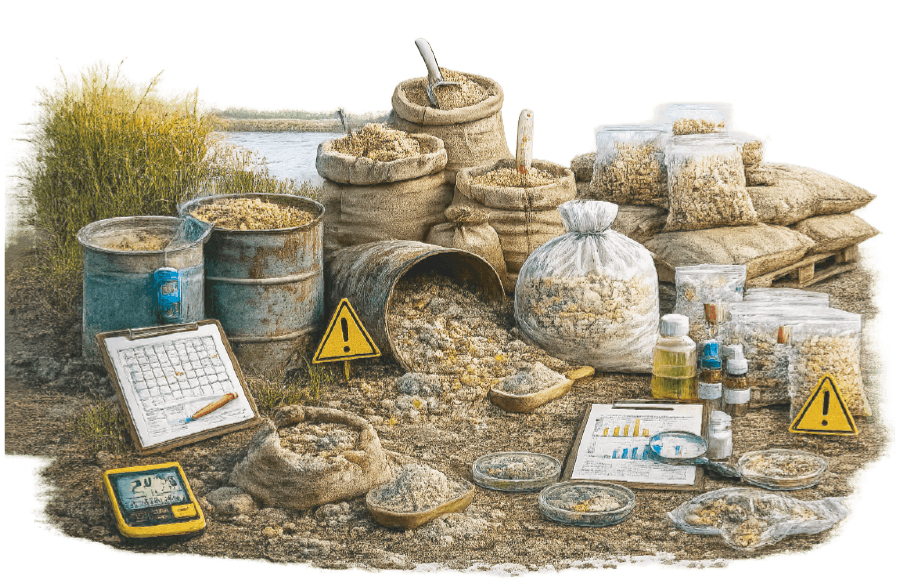
The operational rule should be simple: test first, then decide. For carp farms, the most rational application is not continuous blind use, but risk-based use. This way, modified clinoptilolite becomes part of a structured feed-risk programme rather than a cosmetic feed additive.
This means applying adsorbents during periods or in batches with a higher probability of contamination, while simultaneously improving raw material selection, drying, storage, batch traceability, and feed turnover.
A WORKABLE MONITORING PROGRAMME A carp farm or feed producer does not require an excessively complex academic monitoring plan, but it does require a disciplined, repeatable system.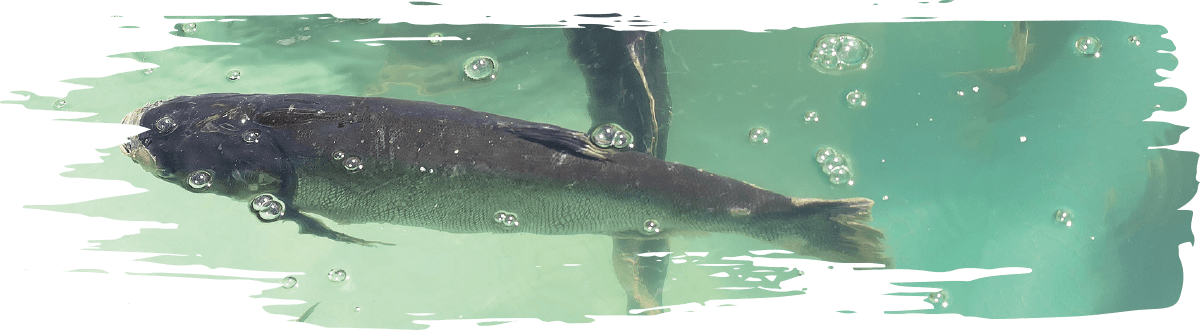
1. High-risk raw materials should be tested before feed manufacture or farm use. ⇒ Priority ingredients include maize, wheat, soybean products, sunflower meal, and by-products such as distillers dried grains when used.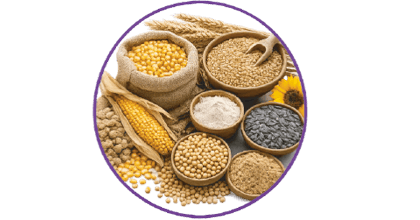
2.Finished feed should be tested at the batch level, as processing and mixing can alter the final exposure profile.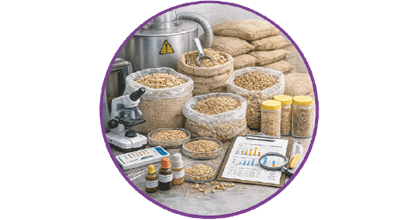
3. Feed results must be interpreted in conjunction with fish health records. ⇒ Growth performance, feed conversion ratio, mortality, antimicrobial treatments, disease outbreaks, and necropsy findings should be linked to specific feed batches.
LC-MS/MS remains the preferred method for comprehensive multi-mycotoxin screening because it detects multiple analytes at low concentrations in a single analytical run. Rapid tests may be useful for screening, but they cannot replace confirmatory multi-analyte analysis when decisions regarding health, feed rejection, or food-chain safety are at stake (Koletsi et al., 2021; Lorusso et al., 2025). CONCLUSIONS
 The weakest possible approach is to reduce the problem to a single-toxin, above-threshold question. That logic is too narrow for real pond farming.
The defensible strategy is integrated: Modified clinoptilolite adsorbents are especially relevant because they address the mixture problem more effectively than unmodified zeolite, and carp-specific production observations presented by Palic, Aksentijević, and Vasiljević provide additional applied justification for their evaluation in common carp systems (Palic et al., 2017). However, the professional recommendation must remain evidence-based.Prevention through ingredient quality and storage control.Detection through routine multi-mycotoxin analysis.Mitigation through targeted use of broad-spectrum adsorbents when contamination is moderate.Interpretation through fish health diagnostics and production records.
Modified clinoptilolite should be used as part of a monitoring and mitigation programme, not as a replacement for feed hygiene. The next necessary step for Serbia is controlled, carp-specific evaluation under realistic pond conditions, including growth, feed conversion ratio, mortality, histopathology, immune markers, gut and gill microbiomes, residue transfer to edible tissues, and economic performance. Until such data are available, the strongest recommendation is targeted use: ⇒ Test the feed. ⇒ Characterise the contamination profile. ⇒ Select the adsorbent accordingly. ⇒ Never use binders to justify poor raw material quality.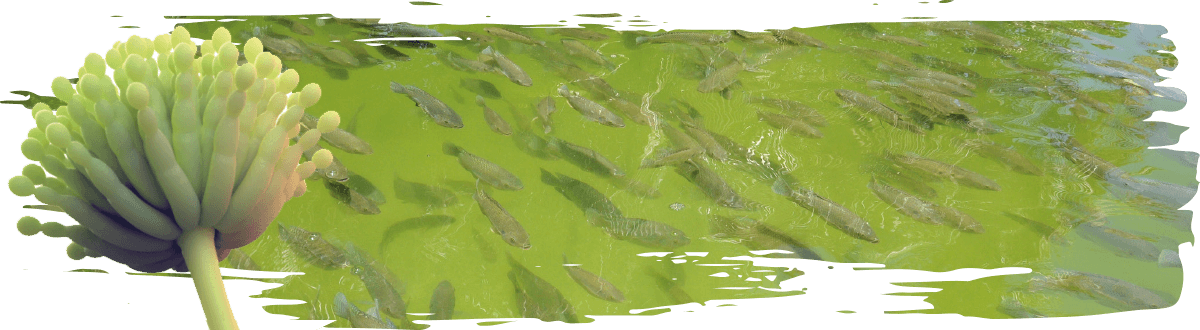
References Acosta ER, Lima da Silva J, Lopes de Moura da Costa Y, Cadaval Junior TRS, Garda-Buffon J. Adsorption techniques for mycotoxin mitigation in food: a review. Food Additives & Contaminants: Part A. 2025;42(8):1091–1120. Anater A, Manyes L, Meca G, Ferrer E, Luciano FB, Pimpão CT, Font G. Mycotoxins and their consequences in aquaculture: a review. Aquaculture. 2016;451:1–10. Di Gregorio MC, Neeff DV, Jager AV, Corassin CH, Carao ACP, Albuquerque R, Azevedo AC, Oliveira CAF. Mineral adsorbents for prevention of mycotoxins in animal feeds. Toxin Reviews. 2014;33(3):125–135. European Commission. Directive 2002/32/EC of the European Parliament and of the Council of 7 May 2002 on undesirable substances in animal feed. European Commission. Commission Recommendation 2006/576/EC of 17 August 2006 on the presence of deoxynivalenol, zearalenone, ochratoxin A, T-2 and HT-2 toxin and fumonisins in products intended for animal feeding, as amended. European Commission. Commission Regulation (EU) 2023/915 of 25 April 2023 on maximum levels for certain contaminants in food and repealing Regulation (EC) No 1881/2006. Hussein W, Cholewińska P, Wojnarowski K, Szeligowska N, Hu F, Greguła-Kania M, Rojtinnakorn J, Palic D. Dietary mycotoxins effects on Nile tilapia (Oreochromis niloticus) microbiomes can be mitigated with addition of organically modified clinoptilolites. Microbiology Research. 2024;15(4):2232–2246. Hussein W, Wojnarowski K, Cholewińska P, Thammatorn W, Szeligowska N, Todorovic N, Baśka F, Rojtinnakorn J, Palic D. Toxicity of low-level multiple-mycotoxin mixture in Nile tilapia (Oreochromis niloticus) is prevented with organically modified clinoptilolite feed additive. Fishes. 2024;9(11):449. Kaya D, Genc E, Palic D, Genc MA, Todorovic N, Sevgili H, Vasiljevic M, Kanyilmaz M, Guroy D. Effect of dietary modified zeolite (clinoptilolite) on growth performance of gilthead sea bream (Sparus aurata) in the recirculating aquaculture system. Aquaculture Research. 2022;53(4):1284–1292. Koletsi P, Schrama JW, Graat EAM, Wiegertjes GF, Lyons P, Pietsch C. The occurrence of mycotoxins in raw materials and fish feeds and their effects on farmed fish: a review. Toxins. 2021;13(6):403. Kraljević Pavelić S, Simović Medica J, Gumbarević D, Filošević A, Pržulj N, Pavelić K. Critical review on zeolite clinoptilolite safety and medical applications in vivo. Frontiers in Pharmacology. 2018;9:1350. Lorusso P, Rusco G, Manfredi A, Iaffaldano N, Di Pinto A, Bonerba E. Emerging mycotoxins in aquaculture: current insights on toxicity, biocontrol strategies, and occurrence in aquafeed and fish. Toxins. 2025;17(7):356. Matejova I, Svobodova Z, Vakula J, Mares J, Modra H. Impact of mycotoxins on aquaculture fish species: a review. Journal of the World Aquaculture Society. 2017;48(2):186–200. Obradovic S, Vukasinovic M, Sekler M, Rajkovic M, Kosanovic N. Adding zeolite Minazel-plus in feeding Oncorhynchus mykiss (Walbaum) and its influence on morphometrical characteristics. Veterinarski glasnik. 2006;60(5–6):345–355. Palic D, Aksentijević K, Vasiljević M. Production parameters in common carp (Cyprinus carpio) during dietary application of modified zeolite (clinoptilolite) mycotoxin absorber. Nutrition: Novel Feed Ingredients Posters, Board #402. Aquaculture Europe 2017 – Cooperation for Growth; 17–20 October 2017; Dubrovnik, Croatia. Phudkliang J, Soonthornchai W, Vande Maele L, Xu H, Qi Z, Lee PT, Chantiratikul A, Wangkahart E. Studies on the use of mycotoxin binders as an effective strategy to mitigate mycotoxin contamination in aquafeed: a case study in Nile tilapia (Oreochromis niloticus). Aquaculture Reports. 2025;40:102412. Rokvic N, Aksentijevic K, Kureljusic J, Vasiljevic M, Todorovic N, Zdravkovic N, Stojanac N. Occurrence and transfer of mycotoxins from ingredients to fish feed and fish meat of common carp (Cyprinus carpio) in Serbia. World Mycotoxin Journal. 2020;13(4):545–552. Stoev SD. Foodborne diseases due to underestimated hazard of joint mycotoxin exposure at low levels and possible risk assessment. Toxins. 2023;15(7):464. Zahran E, Risha E, Hamed M, Ibrahim T, Palic D. Dietary mycotoxicosis prevention with modified zeolite (clinoptilolite) feed additive in Nile tilapia (Oreochromis niloticus). Aquaculture. 2020;515:734562.
 Micotoxicosis prevention