




Irene Teixido Doctor in Agricultural and Food Science and Technology by the University of Lleida
Oats (Avena sativa L.) are a cereal widely used in both human food and animal feed due to their high nutritional value, particularly their content of fiber, unsaturated fat, proteins, and bioactive compounds1. Although human consumption of oats has increased significantly in recent decades, a substantial proportion of global oat production is still destined for animal feed, either as whole grain, dehulled grain, or various processing by-products generated during industrial processing2. However, like other cereals, oats are susceptible to contamination by fungi of the genus Fusarium, capable of producing mycotoxins relevant to both animal and human health3,4.
Among the most common are: The presence of these mycotoxins represents a challenge for the oat value chain. Control strategies begin in the field, but processing can also serve as an additional tool for reducing contamination before the cereal reaches its final destination. However, the effect of processing on mycotoxins is more complex than it may seem. In many cases, industrial processing steps do not eliminate the toxins, but rather redistribute them among the different products obtained during processing6.
 Deoxynivalenol (DON)T-2 and HT-2 toxinsZearalenone (ZEN)
 These compounds can affect productive performance, intestinal health, immune response, and animal reproduction5.
Main oat products used in animal feed
One of the main uses of oats in animal nutrition is as whole grain, particularly for horses, ruminants, pigs, and poultry7. ⇒ In these cases, the animal consumes all the structures of the grain, including the outer hull, which represents approximately 25–35% of the total grain weight8.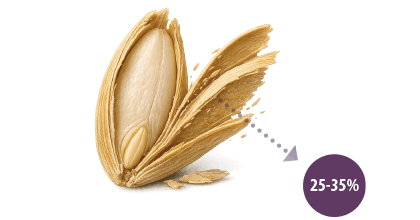
If the grain is processed, the first major step is dehulling.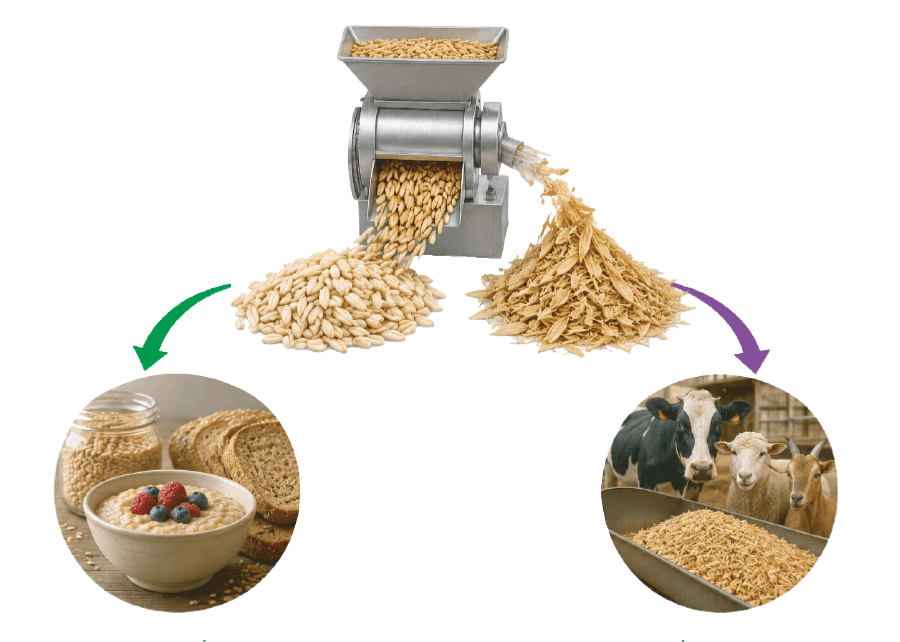
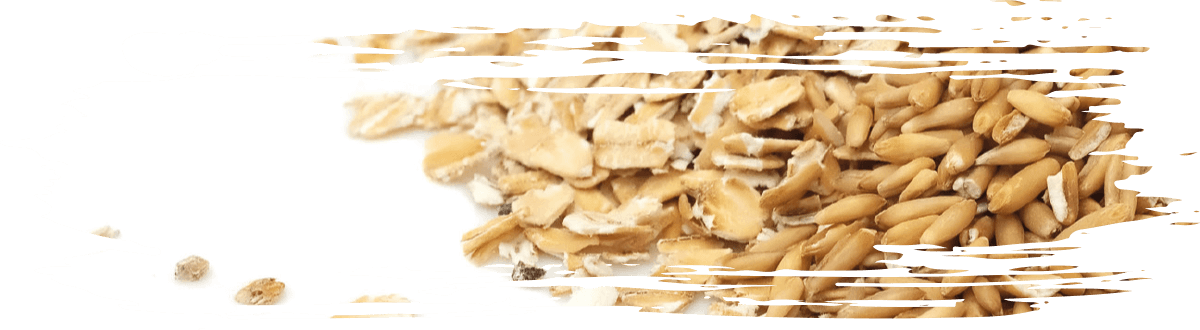
Dehulled grain is generally destined for human consumption, although it may also be used in animal feed formulations2. The hull, due to its high fiber content, is used in ruminant nutrition and in feed formulations7.
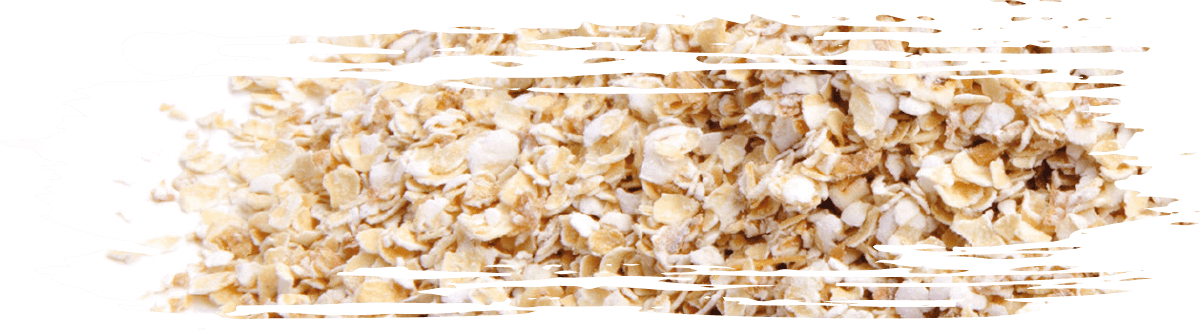
Another important by-product is oat bran, obtained during milling and sieving operations, which has nutritional value for both human food and animal feed². In addition, various milling by-products are produced, including hull fragments, bran particles, and small portions of the endosperm, among others. ⇒ This fraction represents a raw material widely used in feed manufacturing due to its availability and competitive cost7. Table 1. Oat fractions and their main uses. Reception, cleaning and sorting: the first barrier against mycotoxins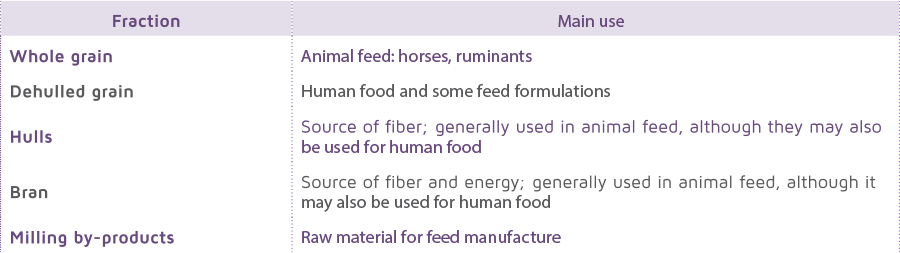
After harvest, the oats arrive at the processing facility. Physical parameters and the presence of mycotoxins are evaluated using rapid screening methods9. This stage represents an important control point, as it allows highly contaminated lots to be identified and their destination to be determined before any further processing takes place.
Once the raw material has been accepted at the processing facility, the oats undergo cleaning and sorting operations designed to remove impurities, plant debris, dust, stones, foreign seeds, and defective grains. Although the primary objective of these operations is to improve the physical quality of the cereal, numerous studies have shown that they can also contribute significantly to reducing the mycotoxin load13-16. One of the factors most closely associated with Fusarium contamination is grain size.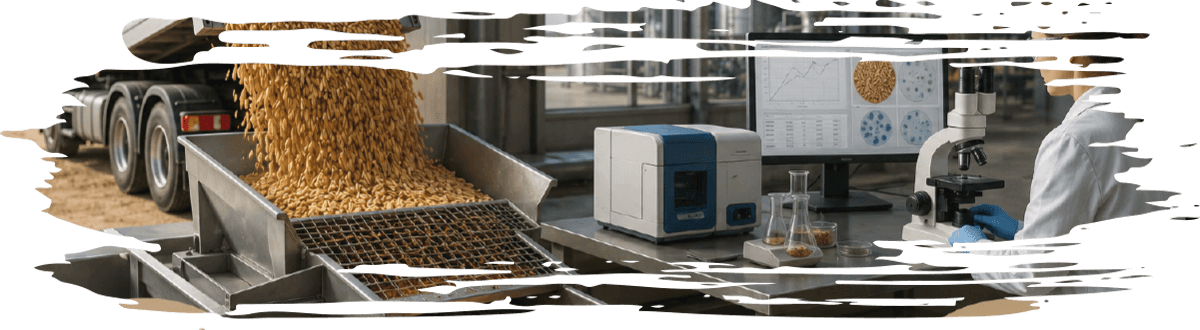
 Small, lightweight, or poorly developed grains tend to contain higher concentrations of mycotoxins.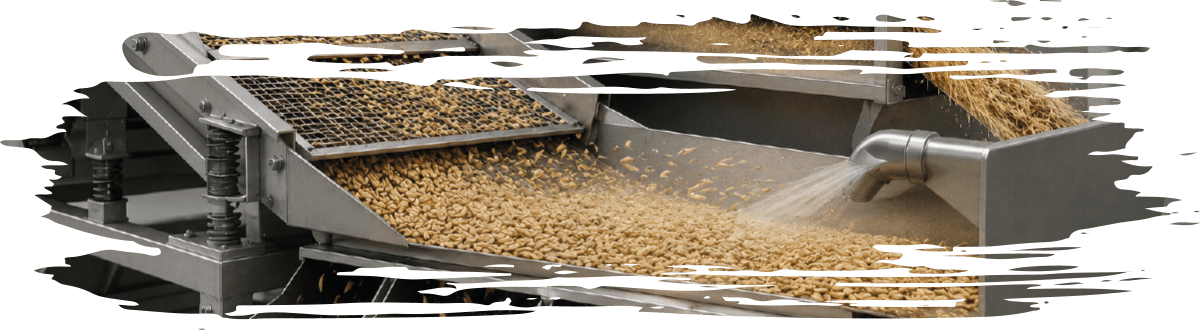
 Brodal et al.13 demonstrated that removing the fraction of small grains, which represented 15–21% of the batch weight, reduced T-2 and HT-2 toxin concentrations by 32–56%, while also lowering DON levels and other emerging mycotoxins by up to 24%. Meyer et al. obtained similar results14.

Current sorting systems incorporate density separation technologies and optical sorters capable of detecting damaged or discolored oat grains. Dehulling: the most effective step for reducing mycotoxins? The first studies evaluating the effects of dehulling already showed very promising results.
In a study by Pettersson et al.15, the combination of cleaning, optical sorting, and dehulling reduced T-2 and HT-2 toxin concentrations by 80–95%.The effectiveness of these operations was also confirmed by Hietaniemi et al.16, who demonstrated that the removal of lightweight grains and impurities using air separation systems reduced the concentrations of DON and 3-acetyl deoxynivalenol (3-ADON), as well as T-2 and HT-2 toxins, to approximately one-third of their initial levels.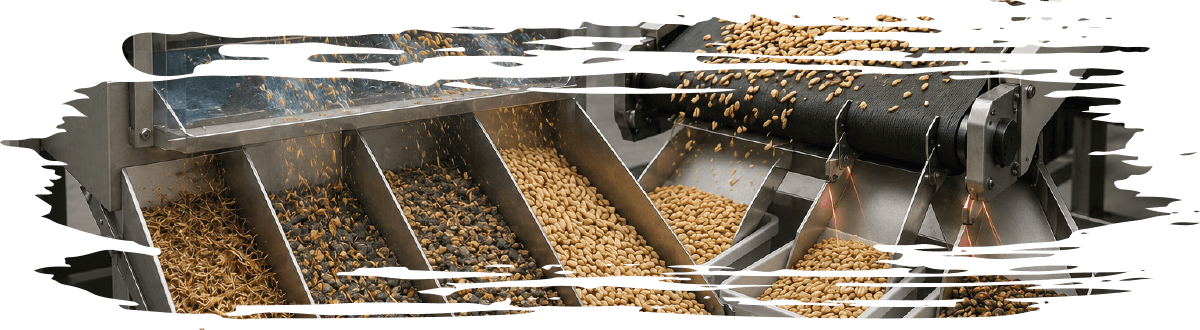
Following sorting and dehulling, these mycotoxins became undetectable in dehulled oats, while DON and 3-ADON concentrations were reduced by 67–91%. Dehulling allowed DON content to be reduced by 94%, 3-ADON by 91%, and T-2 and HT-2 toxins by around 95%. In addition, an 83% reduction in DON-3G and a 93% reduction in T-2-glucoside were observed, demonstrating that the process may also be effective against modified forms.
Alder et al.17 observed reductions greater than 90% for the T-2, HT-2, and nivalenol (NIV) mycotoxins after dehulling.Scudamore et al.18 confirmed reductions greater than 80% for DON, NIV, T-2, and HT-2.Pettersson et al.15 reported average reductions of 80–95% for the T-2 and HT-2 mycotoxins.Hietaniemi et al.16 demonstrated that most of the T-2 and HT-2 mycotoxins were associated with the hull fraction.
Similar results were subsequently obtained by Ivanova et al.6.
Modified mycotoxins tend to concentrate in the outer layers of the grain and in the fractions removed during the first stages of milling (bran). ⇒ This is because Fusarium growth is mainly concentrated in the hull and the outermost layers of the grain, while the fungus has a much more limited capacity to colonize the endosperm and the germ6. Consequently, a large proportion of the mycotoxins remains localized in these outer structures and is physically removed during dehulling.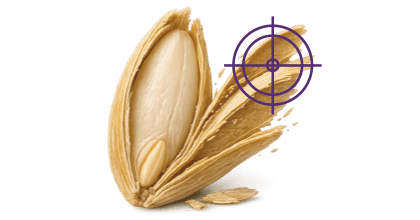
Tittlemier et al.19 confirmed this distribution by observing that 60–100% of the Fusarium mycotoxins were located in the hull. In this study, DON concentration was reduced by 87% after dehulling, whereas HT-2 and 3-ADON were completely eliminated. However, the behavior was not the same for emerging mycotoxins, such as beauvericin or enniatins, which showed a more homogeneous distribution within the grain, even appearing at relatively high concentrations in dehulled grains. Dehulling is currently the most effective individual operation for reducing contamination by Fusarium mycotoxins in oats. However, this apparent advantage raises a fundamental question: The fate of mycotoxins: hulls, bran, and milling by-products The hulls represent the main reservoir of mycotoxins after dehulling. As a result, DON, T-2, HT-2, and other mycotoxin concentrations are considerably higher than those observed in whole or dehulled grain. Various studies have demonstrated this concentration phenomenon. What happens to all the mycotoxins that disappear from dehulled oats?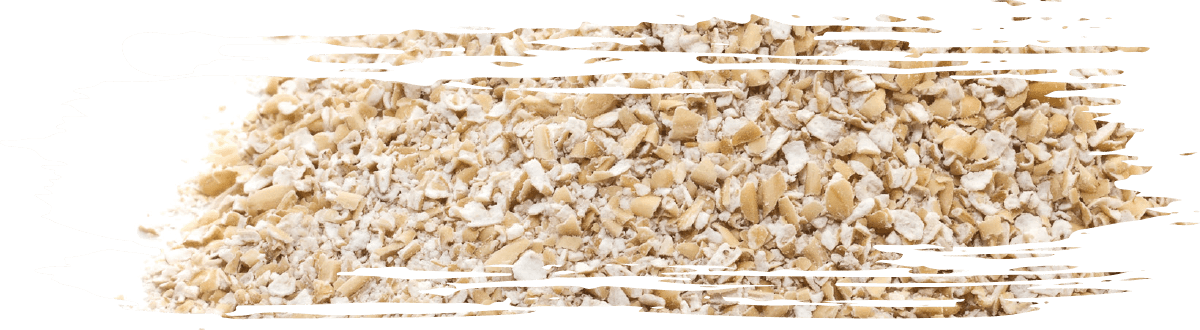
These authors described a batch of oats that initially contained 4,528 μg/kg of T-2 and HT-2 toxins, whereas the pelleted by-product generated after processing reached a concentration of 29,700 μg/kg. In some cases, concentrations exceeded 20,000 μg/kg of HT-2, 6,000 μg/kg of T-2, and 4,000 μg/kg of DON.
Pettersson et al.15 observed that the milling fractions intended for animal feed could contain T-2 and HT-2 toxin concentrations between three and six times higher than those initially present in unprocessed oats.Edwards et al.20 reported that pelleted by-products showed average T-2 and HT-2 toxin concentrations 4.4 times higher than those detected in the original raw material.
Similar results were reported by Scudamore et al.18, who observed that DON, NIV, T-2, and HT-2 concentrations were consistently higher in pellets produced from processing fractions than in the original oats or in products intended for human consumption.
Meyer et al.14 reached similar conclusions, observing that the hull contained T-2 and HT-2 concentrations 2.5 times higher than those present in unprocessed oats.Oat bran originates from the outer layers of the grain and is usually more contaminated than the endosperm6, as reported by Vidal et al.²¹ in commercial oat bran samples, where the presence of DON and ZEN accounted for a significant proportion.
Kilning and steaming: can we reduce mycotoxins in dehulled grains? After the initial processing steps, dehulled grains are usually subjected to thermal treatments aimed at improving their stability and technological quality. Among these, steaming and kilning are widely used processes in the oat industry. Given that these operations involve the application of heat, a logical question arises: The available scientific evidence indicates that their effect is relatively limited. From a food safety perspective, these findings indicate that while fractions intended for human consumption undergo substantial reductions in contamination, fractions intended for animal feed retain a significant proportion of the initial mycotoxin load.
 Can they help reduce Fusarium mycotoxins?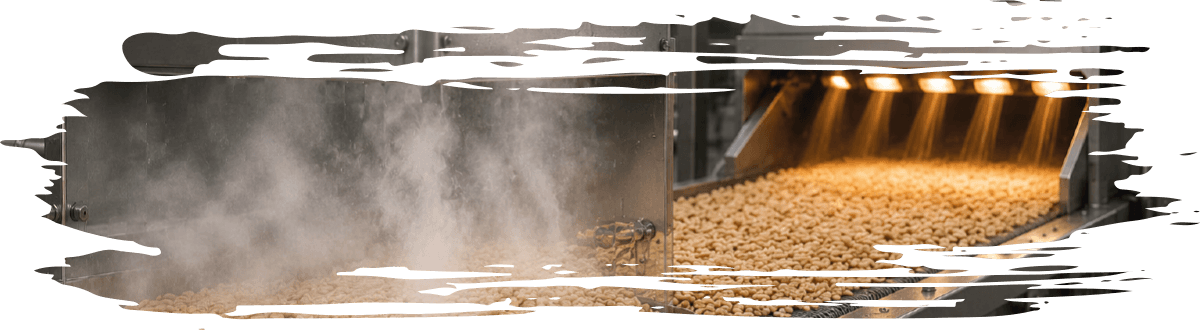
Although these results indicate that the combination of heat and moisture may contribute to a partial reduction of certain mycotoxins, the magnitude of the effect remains clearly lower than that observed during dehulling.
Scudamore et al.18 observed that the additional impact of kilning on mycotoxin concentrations was relatively small compared with that achieved during the previous cleaning, sorting, and dehulling steps for DON, NIV, T-2, and HT-2.Dropa et al.22 obtained similar results, reporting additional reductions after kilning, although these were smaller than those achieved through the initial mechanical processing operations.
 Fusarium mycotoxins have chemical structures that are resistant to the temperatures commonly used during conventional oat processing23.
Tittlemier et al.19 evaluated the combined effect of steaming and kilning on oats contaminated with Fusarium mycotoxins.Kuchenbuch et al.24 investigated the impact of pressurized steam and observed reductions of approximately 17% for T-2 and 18% for HT-2.
Conclusions The hull, bran, and other milling by-products concentrate a significant proportion of the initial mycotoxin contamination and may reach concentrations several times higher than those found in oat grain. This situation is particularly relevant in animal nutrition, as many of these products are routinely incorporated into compound feed formulations for different animal species. ReferencesAlthough steaming and kilning provide essential technological benefits for oat stability and quality, they should not be considered effective strategies for mitigating mycotoxins in oat grains. An effective strategy for improving the safety of products intended for human consumption may unfortunately lead to higher mycotoxin concentrations in certain raw materials used for animal feed.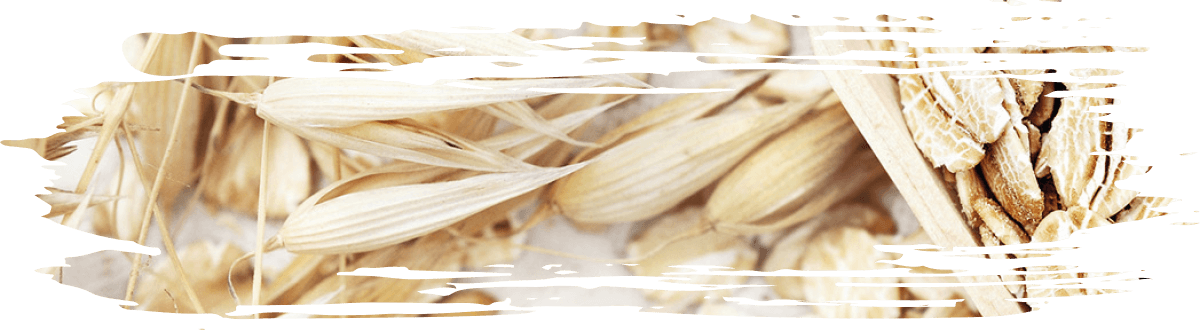
1. Rasane, P.; Jha, A.; Sabikhi, L.; Kumar, A.; Unnikrishnan, V.S. Nutritional Advantages of Oats and Opportunities for Its Processing as Value Added Foods - a Review. J. Food Sci. Technol. 2015, 52, 662–675, doi:10.1007/s13197-013-1072-1.
2. Menon, R.; Gonzalez, T.; Ferruzzi, M.; Jackson, E.; Winderl, D.; Watson, J. Oats-From Farm to Fork. Adv. Food Nutr. Res. 2016, 77, 1–55, doi:10.1016/bs.afnr.2015.12.001.
3. Xue, A.G.; Chen, Y.; Seifert, K.; Guo, W.; Blackwell, B.A.; Harris, L.J.; Overy, D.P. Prevalence of Fusarium Species Causing Head Blight of Spring Wheat, Barley and Oat in Ontario during 2001–2017. Canadian Journal of Plant Pathology 2019, 41, 392–402, doi:10.1080/07060661.2019.1582560.
4. Hofgaard, I.S.; Aamot, H.U.; Torp, T.; Jestoi, M.; Lattanzio, V.M.T.; Klemsdal, S.S.; Waalwijk, C.; Van Der Lee, T.; Brodal, G. Associations between Fusarium Species and Mycotoxins in Oats and Spring Wheat from Farmers Fields in Norway over a Six-Year Period. World Mycotoxin J. 2016, 9, 365–378, doi:10.3920/WMJ2015.2003.
5. Ekwomadu, T.I.; Akinola, S.A.; Mwanza, M. Fusarium Mycotoxins, Their Metabolites (Free, Emerging, and Masked), Food Safety Concerns, and Health Impacts. Int. J. Environ. Res. Public Health 2021, 18, doi:10.3390/ijerph182211741.
6. Ivanova, L.; Sahlstrom, S.; Rud, I.; Uhlig, S.; Fæste, C.K.; Eriksen, G.S.; Divon, H.H. Effect of Primary Processing on the Distribution of Free and Modified Fusarium Mycotoxins in Naturally Contaminated Oats. World Mycotoxin J. 2017, 10, 73–88, doi:10.3920/WMJ2016.2092.
7. Heuzé, V.; Tran, G.; Hassoun, P.; Lessire, M.; Lebas, F. Oats (Avena sativa). Feedipedia, a programme by INRAE, CIRAD, AFZ and FAO 2017.
8. Decker, E.A.; Rose, D.J.; Stewart, D. Processing of Oats and the Impact of Processing Operations on Nutrition and Health Benefits. British Journal of Nutrition 2014, 112, S58–S64, doi:10.1017/S000711451400227X.
9. European Commission Commission Implementing Regulation (EU) 2023/2782 of 14 December 2023 down the Methods of Sampling and Analysis for the Control of the Levels of Mycotoxins in food and Repealing Regulation (EC) No 401/2006. Official Journal of the European Union 2023, 1–44.
10. European Commission Commission Regulation (EU) 2024/1022 of 8 April 2024 Amending Regulation (EU) 2023/915 as Regards Maximum Levels of Deoxynivalenol in Food. Official Journal of the European Union 2024, L, 1–4, doi:10.2903/j.efsa.2017.4718.
11. European Commission Commission Regulation (EU) 2023/915 of 25 April 2023 on Maximum Levels for Certain Contaminants in Food and Repealing Regulation (EC) No 1881/2006. Official Journal of the European Union 2023, 119, 103–157.
12. European Commission Commission Recommendation on the Presence of Deoxynivalenol, Zearalenone, Ochratoxin A, T-2 and HT-2 and Fumonisins in Products Intended for Animal Feeding. Official Journal of the European Union 2006, L229/7.
13. Brodal, G.; Aamot, H.U.; Almvik, M.; Hofgaard, I.S. Removal of Small Kernels Reduces the Content of Fusarium Mycotoxins in Oat Grain. Toxins (Basel). 2020, 12, doi:10.3390/toxins12050346.
14. Meyer, J.C.; Birr, T.; Hennies, I.; Wessels, D.; Schwarz, K. Reduction of Deoxynivalenol, T-2 and HT-2 Toxins and Associated Fusarium Species during Commercial and Laboratory de-Hulling of Milling Oats. Food Additives and Contaminants - Part A 2022, 39, 1163–1183, doi:1 0.1080/19440049.2022.2059576.
15. Pettersson, H.; Lerenius, C.; Berg, G. T-2 and HT-2 Toxins in Oats Grown in Northern Europe.; 2008.
16. Hietaniemi, V.; Rämö, S.; Manninen, P.; Parikka, P.; Hankomäki, J. The Effect of Cleaning and De-Hulling on the Trichothecene Content in Oats and Barley.; Brussels, February 9 2009.
17. Alder, A.; Lew, H.; Moudry, J.; Sterba, Z.; Vratilova, K.; Edinger, W.; Brodacz, W.; Kiendler, E. Microbiological and Mycotoxicological Quality parameters of Naked and Covered Oats with Regard to the production of Bran and Flakes. Die Bodenkultur 2003, 54.
18. Scudamore, K.A.; Baillie, H.; Patel, S.; Edwards, S.G. Occurrence and Fate of Fusarium Mycotoxins during Commercial Processing of Oats in the UK. Food Addit. Contam. 2007, 24, 1374–1385, doi:10.1080/02652030701509972.
19. Tittlemier, S.A.; Blagden, R.; Chan, J.; McMillan, T.L.; Pleskach, K.; Izydorczyk, M.S. Effects of Processing Whole Oats on the Analysis and Fate of Mycotoxins and Ergosterol. World Mycotoxin J. 2020, 13, 45–56, doi:10.3920/WMJ2019.2530.
20. Edwards, S.G.; Barrier-Guillot, B.; Clasen, P.E.; Hietaniemi, V.; Pettersson, H. Emerging Issues of HT-2 and T-2 Toxins in European Cereal Production. In Proceedings of the World Mycotoxin Journal; Wageningen Academic Publishers, 2009; Vol. 2, pp. 173–179.
21. Vidal, A.; Marín, S.; Ramos, A.J.; Cano-Sancho, G.; Sanchis, V. Determination of Aflatoxins, Deoxynivalenol, Ochratoxin A and Zearalenone in Wheat and Oat Based Bran Supplements Sold in the Spanish Market. Food and Chemical Toxicology 2013, 53, 133–138, doi:10.1016/j.fct.2012.11.020.
22. Dropa, T.; Dzuman, Z.; Jonatova, P. Mycotoxins in Oat Flakes – Changes during Production and Occurrence on the Czech Market. Czech Journal of Food Sciences 2021, 39, 131–139, doi:10.17221/247/2020-CJFS.
23. Kabak, B. The Fate of Mycotoxins during Thermal Food Processing. J. Sci. Food Agric. 2009, 89, 549–554, doi:10.1002/jsfa.3491.
24. Kuchenbuch, H.S.; Becker, S.; Schulz, M.; Cramer, B.; Humpf, H.U. Thermal Stability of T-2 and HT-2 Toxins during Biscuit-and Crunchy Muesli Making and Roasting. Food Addit. Contam. Part A Chem. Anal. Control Expo. Risk Assess. 2018, 35, 2158–2167, doi:10.1080/19440049.2018.1530456.
 Micotoxicosis prevention