




Sabry El-khodary Professor of Internal Medicine and Vice Dean for Postgraduate Studies and Research Affairs, Faculty of Veterinary Medicine, Mansoura University, Mansoura 35516, Egypt
Mycotoxins are silent yet devastating contaminants in animal feed, causing chronic health issues, reduced productivity, and major economic losses in livestock systems worldwide. Their impact includes immune suppression, reproductive failure, and impaired growth, making them one of the most pressing hidden threats to farm animal health (Thambugala et al., 2025).
Environmental conditions (temperature and humidity), insect or mechanical damage, and poor storage practices promote fungal growth and toxin production (Authority et al., 2024). Ingestion is the primary route of exposure, while inhalation of dust or spores and dermal contact represent additional exposure pathways. Secondary exposure can also occur through contaminated animal products (Muñoz-Solano et al., 2024). Contaminated staple crops (maize, peanuts, wheat, rice, sorghum, and nuts) and their derived products are the primary sources of mycotoxins (Akinmoladun et al., 2025b; Saju and Dhanapal, 2025).
Why mycotoxins are a silent threat to farm animals
They are invisible, odorless, and tasteless Mycotoxins are invisible, odorless, tasteless, chemically stable, Unlike mold growth, which farmers may occasionally detect visually or by smell, mycotoxins leave no sensory trace in contaminated feed (Cinar and Onbaşı, 2020). ⇒ As a result, animals may consume toxic doses day after day without any warning signs. Feed refusal is consistently observed only at very high concentrations of deoxynivalenol (DON). At lower, chronic exposure levels, animals continue to consume contaminated feed without noticeable behavioral changes, resulting in continuous toxin intake with every meal (Hou et al., 2023; Pestka, 2007). Subclinical effects are the rule, not the exception This is the main reason why mycotoxins are considered a “silent” threat. The vast majority of real-world mycotoxin exposure in commercial livestock involves low, chronic concentrations that remain below the threshold for acute clinical disease (Gupta, 2018).
and resistant to heat and conventional storage conditions. Consequently, subclinical mycotoxicosis is extremely difficult to identify, as low concentrations of mycotoxins in feed often produce no obvious clinical signs despite causing significant economic losses (Healey, 2025).
Clinical signs are non-specific and mimic other diseases
When mycotoxins produce observable clinical signs, these are typically non-specific. Mycotoxicosis is considered one of the major toxicological threats affecting farm animals (Peles et al., 2019). Consequently, mycotoxicosis is rarely included among the primary differential diagnoses, as the clinical presentation offers no specific indication of toxin exposure. A definitive diagnosis generally requires: A high index of suspicion + Laboratory analysis of feed + The exclusion of other potential causes This is a time-consuming and costly process that is often not pursued under field conditions (Riet-Correa et al., 2013). Clinical signs such as depression, lethargy, reduced feed intake, a rough hair coat, diarrhea, and poor growth are indistinguishable from those associated with nutritional deficiencies, bacterial or viral infections, or parasitic diseases (Fink-Gremmels, 2008).
Immunosuppression hides the true cause of disease
Perhaps the most insidious silent effect of mycotoxins is their ability to compromise the immune system.
 Aflatoxins suppress macrophage function and T-cell activation, weakening immune defenses (Saha Turna et al., 2024). Ochratoxins impair B-cell function, reducing antibody production (Mubarik et al., 2025).Deoxynivalenol (DON) induces oxidative stress and promotes inflammation (Bai et al., 2021). Fumonisins suppress lymphocyte proliferation and disrupt cytokine production (Marin et al., 2007). Zearalenone alters cytokine balance, leading to immunosuppression (Bulgaru et al., 2021).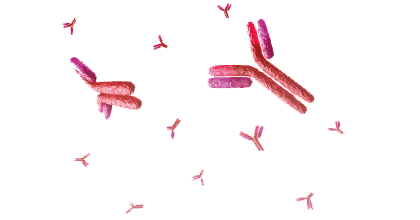
Contamination is invisible at every stage of the feed chain Mycotoxins are produced during fungal growth, but once formed, they persist even after the fungus itself has died (Perdoncini et al., 2019).
Most mycotoxins are heat-stable and cannot be readily destroyed by conventional food processing or domestic cooking methods (Bullerman and Bianchini, 2007). Consequently, when raw materials are contaminated with regulated and/or non-regulated mycotoxins, the final products are also likely to contain these contaminants, as they are not completely eliminated during thermal processing (Bullerman and Bianchini, 2007).
“Masked” mycotoxins are invisible even to laboratory tests
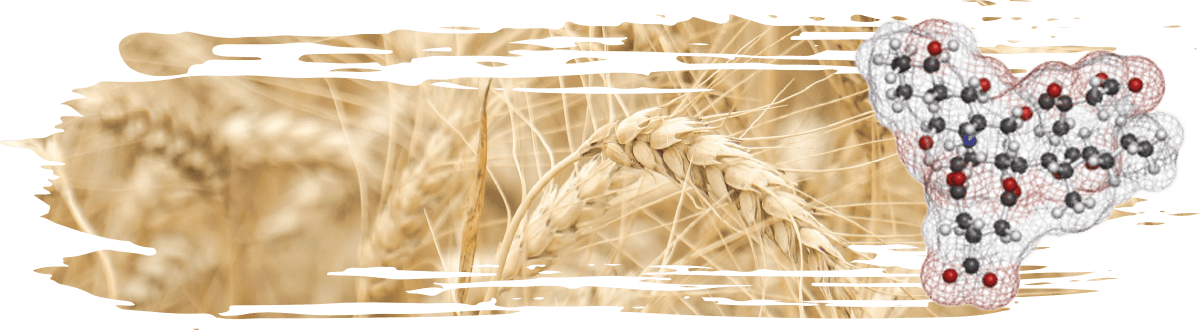
In response to fungal infection and mycotoxin production, several cereal plants convert mycotoxins into modified metabolites, including sugar conjugates known as masked mycotoxins, whose co-occurrence with their parent compounds in cereals has been widely documented. Deoxynivalenol-3-β-glucoside (DON-Glc) is the best-characterized masked mycotoxin and it has been detected in wheat products at concentrations of up to 30% of the corresponding DON level. Masked forms of other trichothecenes, zearalenone, and fumonisins have also been reported (Daud et al., 2020; Ekwomadu et al., 2021).
Masked trichothecenes and zearalenone conjugates escape digestion and absorption in the upper gastrointestinal tract but are efficiently hydrolyzed by the gut microbiota in the lower intestine. Zearalenone glycosides are not detected during routine analytical testing but are hydrolyzed during digestion, and they are thought to contribute to cases of mycotoxicosis (Zhang et al., 2020).Bound forms of fumonisins often occur at amounts equal to or even greater than those of their free forms (Dall’Asta et al., 2013).
Regulatory limits are set for individual toxins, not combinations Regulatory maximum levels for mycotoxins in animal feed are established for individual toxins rather than for combinations of multiple mycotoxins. However, even subclinical concentrations of several mycotoxins can exert additive or synergistic effects on metabolic and immune functions, ultimately impairing animal growth and productivity (Akinmoladun et al., 2025b). Within the European Union, maximum permitted levels have been established only for aflatoxins, whereas guidance values rather than legally binding limits exist for most other mycotoxins (Verstraete, 2008). For example, the combination of aflatoxin B1 (AFB1) and ochratoxin A (OTA) produces synergistic hepato- and nephrotoxicity (Qing et al., 2022), while co-contamination with deoxynivalenol (DON) and zearalenone (ZEN, a Fusarium-derived estrogenic mycotoxin) exacerbates reproductive and immune dysfunction (Thapa et al., 2021). Effects are delayed and cumulative Unlike acute intoxication, in which a single high dose produces rapid and obvious clinical signs, mycotoxins are more commonly encountered as natural mixtures that can alter immune function through additive or synergistic interactions, as reported for combinations such as aflatoxin and T-2 toxin or deoxynivalenol (DON) and fusaric acid (Akinmoladun et al., 2025b). Mycotoxins are thought to exert their greatest effects on mucosal lymphoid tissues, particularly those of the gastrointestinal and respiratory tracts, before being absorbed and subsequently metabolized systemically (Oswald et al., 2005). By the time liver fibrosis, renal tubular damage, immune organ atrophy, or reproductive tract lesions become clinically apparent, the underlying damage is often already extensive and irreversible (Awuchi et al., 2022). The delayed onset of mycotoxicosis further obscures the relationship between cause (contaminated feed consumed weeks earlier) and effect, making retrospective diagnosis extremely difficult (Khatoon and ul Abidin, 2020).
Species and individual susceptibility mask the pattern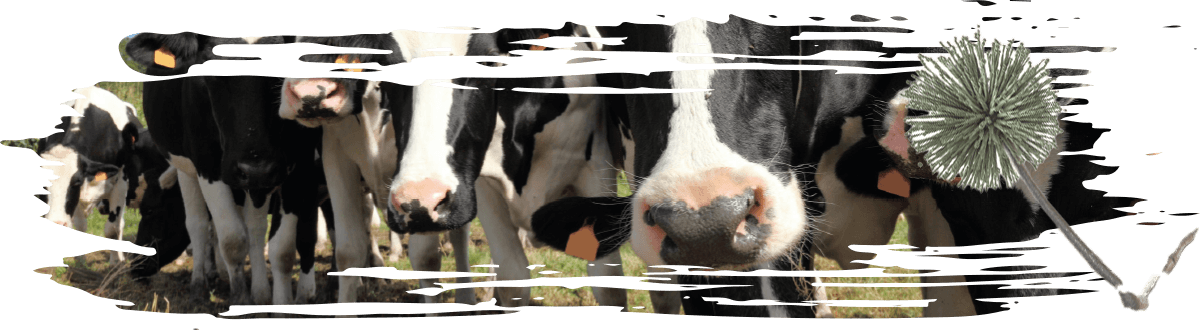
In ruminants, mycotoxins have been shown to induce oxidative stress, hypoxia, and immunosuppression. ⇒ Emerging evidence also suggests that they can promote cellular senescence, which may contribute to their immunomodulatory effects. In mixed-age herds, some animals may exhibit clear clinical signs, whereas others remain apparently healthy, making the overall clinical picture inconsistent and difficult to attribute to a single underlying cause (Whitlow and Hagler, 2010). Young ruminantes, whose rumen is not yet fully developed, are considerably more susceptible to mycotoxicosis than adults. Likewise, high-producing dairy cows, operating close to their physiological limits, are more vulnerable than animals with lower production levels (Mostrom and Jacobsen, 2020). Experimental exposure of calves to low concentrations of aflatoxin and fumonisin has been shown to facilitate STEC-associated outbreaks, highlighting the role of mycotoxins in bacterial pathogenesis (Baines et al., 2013b).
Economic losses accumulate before anyone realizes
Mycotoxin contamination in feed can lead to substantial economic losses through reduced feed conversion efficiency, increased mortality, reproductive disorders, and the transfer of toxic residues into meat, thereby posing a potential risk to consumer health (Goda et al., 2025). By the time feed analysis is performed, the contaminated feed may already have been consumed, replaced, or diluted with clean batches, making confirmation of the original source of contamination extremely difficult (Goda et al., 2025). Farms may experience weeks or even months of subclinical mycotoxicosis, resulting in significant financial losses before the underlying cause is recognized.
Clinical outcomes of mycotoxicosis in farm animals Mycotoxins consistently impair animal health and productivity by: Impact on milk yield, composition, and safety
 Reducing milk yield and quality Compromising growth performance Altering carcass characteristics Impairing reproductive performance Suppressing immune function Promoting the transfer of toxic residues into milk and meat
Multi-mycotoxin exposure in ruminants reduces milk yield and alters milk composition, including fat, protein, lactose, and total solids, particularly in sheep and goats exposed to aflatoxin B1, ochratoxin A, and zearalenone simultaneously (Akinmoladun et al., 2025a). Similar adverse effects have been reported in dairy cattle, including reduced feed intake, altered rumen fermentation, impaired reproductive performance, and decreased productivity (Gallo et al., 2022; Kemboi et al., 2020; Kolečkář, 2024). Aflatoxin B1, ingested through contaminated feed is metabolized into aflatoxin M1, the principal mycotoxin contaminant detected in milk worldwide (Kemboi et al., 2020). Other mycotoxins, including fumonisins, ochratoxin A, trichothecenes, and zearalenone, may also be transferred into milk, particularly when feed storage conditions are inadequates (Becker-Algeri et al., 2016; Kemboi et al., 2020).
Effects on growth, carcass traits, and meat safety
Mycotoxins impair growth performance, feed efficiency, and carcass quality in pigs and ruminants by reducing feed intake, causing organ damage, and disrupting metabolic processes (Akinmoladun et al., 2025a; Guerrini and Tedesco, 2023). Mycotoxins and their metabolites can accumulate in the liver, kidneys, muscles, and other tissues, particularly in young animals and those raised under grazing conditions, thereby posing a potential risk to consumer health (Guerrini and Tedesco, 2023; Tolosa et al., 2021). Co-contamination of feed with multiple mycotoxins is common, and these toxins often act additively or synergistically, exacerbating growth impairment and organ damage even when the concentration of each individual mycotoxin remains below its regulatory limit (Akinmoladun et al., 2025a; Lach and Kotarska, 2024).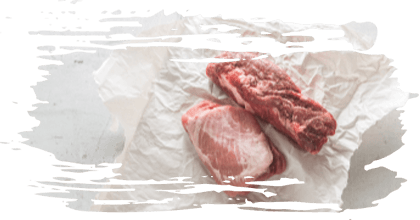
Effects on susceptibility to infection and failure of vaccination
 In calves, aflatoxin increases susceptibility to enteropathogenic Escherichia coli (EPEC) infection (Baines et al., 2013a).
 Moreover, alterations in lymphocyte proliferation and cytokine production may help explain the reduced vaccine efficacy observed in vivo (Pierron et al., 2016).
 Synergistic interactions between mycotoxins and livestock viruses have also been extensively documented in swine (Gan et al., 2022; Gan et al., 2018).
Effects on reproduction
Mycotoxins impair reproductive performance in farm animals, Additional evidence, although less extensive, indicates that mycotoxins can also cause embryotoxicity, gonadal dysfunction, and endocrine disruption in pigs, cattle, and sheep (Yang et al., 2020). Co-exposure to multiple mycotoxins appears to exacerbate reproductive disorders, particularly in pigs and cattle, although field data on dose–response relationships remain limited (Akinmoladun et al., 2025a). Evidence in dairy cattle remains limited. Nevertheless, both controlled experiments and field observations have linked high dietary exposure to zearalenone with abortion, while lower exposure levels have been associated with reduced testicular weight in bulls and impaired fertility in lactating cows (Gnezdilova et al., 2023).
with the strongest evidence available for zearalenone in swine.
 Zearalenone is the best-characterized reproductive mycotoxin in livestock, exerting estrogenic effects and inducing functional and morphological alterations of the reproductive tract, particularly in swine (Cortinovis et al., 2013; Zhang et al., 2018).Other Fusarium mycotoxins, including deoxynivalenol (DON), fumonisins, T-2/HT-2 toxins, beauvericin, and enniatins, impair ovarian function, embryonic development, and sperm function in domestic animals, although most evidence is derived from experimental studies (Chiminelli et al., 2022).Trichothecenes, ergot alkaloids, aflatoxins, and fumonisins have also been reported to impair reproductive performance in swine (Kanora and Maes, 2018). In addition, contaminated feed may indirectly reduce fertility through decreased feed intake associated with aflatoxin exposure, whereas mixed Fusarium contamination has been associated with uterine enlargement and reduced serum follicle-stimulating hormone concentrations in young females (Akinmoladun et al., 2025a).
Conclusions Mycotoxins remain one of the most underestimated challenges in animal production because their greatest impact is often subclinical, cumulative, and therefore easily overlooked. Even at low concentrations, prolonged exposure to single or multiple mycotoxins can compromise immune competence, reproductive performance, growth, and product quality while increasing susceptibility to infectious diseases and reducing vaccine efficacy. Their persistence throughout the feed chain, the occurrence of masked and emerging mycotoxins, and the frequent co-contamination of feeds further complicate detection, diagnosis, and risk assessment. REFERENCES Akinmoladun, O., Fon, F., Nji, Q., Adeniji, O., Tangni, E., Njobeh, P., 2025a. Multiple Mycotoxin Contamination in Livestock Feed: Implications for Animal Health, Productivity, and Food Safety. Toxins 17. Akinmoladun, O.F., Fon, F.N., Nji, Q., Adeniji, O.O., Tangni, E.K., Njobeh, P.B., 2025b. Multiple mycotoxin contamination in livestock feed: Implications for animal Health, productivity, and food safety. Toxins 17, 365. Authority, E.F.S., Georgia, G., Milen, G., Raquel, G.M., Angelo, M., Alexandros, G., Aurore, C., Clémentine, E., Didier, V., Bernard, B., 2024. EFSA’s activities on Emerging Risks in 2023. Wiley Online Library. Awuchi, C.G., Ondari, E.N., Nwozo, S., Odongo, G.A., Eseoghene, I.J., Twinomuhwezi, H., Ogbonna, C.U., Upadhyay, A.K., Adeleye, A.O., Okpala, C.O.R., 2022. Mycotoxins’ toxicological mechanisms involving humans, livestock and their associated health concerns: A review. Toxins 14, 167. Bai, Y., Ma, K., Li, J., Li, J., Bi, C., Shan, A., 2021. Deoxynivalenol exposure induces liver damage in mice: Inflammation and immune responses, oxidative stress, and protective effects of Lactobacillus rhamnosus GG. Food and chemical toxicology 156, 112514. Baines, D., Sumarah, M., Kuldau, G., Juba, J., Mazza, A., Masson, L., 2013a. Aflatoxin, fumonisin and Shiga toxin-producing Escherichia coli infections in calves and the effectiveness of Celmanax®/Dairyman’s Choice™ applications to eliminate morbidity and mortality losses. Toxins (Basel) 5, 1872-1895. Baines, D., Sumarah, M., Kuldau, G., Juba, J., Mazza, A., Masson, L., 2013b. Aflatoxin, fumonisin and shiga toxin-producing Escherichia coli infections in calves and the effectiveness of Celmanax®/Dairyman’s Choice™ applications to eliminate morbidity and mortality losses. Toxins 5, 1872-1895. Becker-Algeri, T., Castagnaro, D., De Bortoli, K., De Souza, C., Drunkler, D., Badiale‐Furlong, E., 2016. Mycotoxins in Bovine Milk and Dairy Products: A Review. Journal of food science 81 3. Bulgaru, C.V., Marin, D.E., Pistol, G.C., Taranu, I., 2021. Zearalenone and the immune response. Toxins 13, 248. Bullerman, L.B., Bianchini, A., 2007. Stability of mycotoxins during food processing. International journal of food microbiology 119, 140-146. Chiminelli, I., Spicer, L., Maylem, E., Caloni, F., 2022. Emerging mycotoxins and reproductive effects in animals: A short review. Journal of Applied Toxicology 42, 1901-1909. Cinar, A., Onbaşı, E., 2020. Mycotoxins: The Hidden Danger in. Mycotoxins and food safety, 43. Conte, G., Fontanelli, M., Galli, F., Cotrozzi, L., Pagni, L., Pellegrini, E., 2020. Mycotoxins in Feed and Food and the Role of Ozone in Their Detoxification and Degradation: An Update. Toxins 12. Cortinovis, C., Pizzo, F., Spicer, L., Caloni, F., 2013. Fusarium mycotoxins: effects on reproductive function in domestic animals--a review. Theriogenology 80 6, 557-564. Dall’Asta, C., Dall’Erta, A., Mantovani, P., Massi, A., Galaverna, G., 2013. Occurrence of deoxynivalenol and deoxynivalenol-3-glucoside in durum wheat. World Mycotoxin Journal 6, 83-91. Daud, N., Currie, V., Duncan, G., Farquharson, F., Yoshinari, T., Louis, P., Gratz, S.W., 2020. Prevalent human gut bacteria hydrolyse and metabolise important food-derived mycotoxins and masked mycotoxins. Toxins 12, 654. Ekwomadu, T.I., Akinola, S.A., Mwanza, M., 2021. Fusarium mycotoxins, their metabolites (free, emerging, and masked), food safety concerns, and health impacts. International Journal of Environmental Research and Public Health 18, 11741. Fink-Gremmels, J., 2008. The role of mycotoxins in the health and performance of dairy cows. The Veterinary Journal 176, 84-92. Gallo, A., Mosconi, M., Trevisi, E., Santos, R., 2022. Adverse Effects of Fusarium Toxins in Ruminants: A Review of In Vivo and In Vitro Studies. Dairy. Gan, F., Hou, L., Xu, H., Liu, Y., Chen, X., Huang, K., 2022. PCV2 infection aggravates OTA-induced immunotoxicity in vivo and in vitro. Ecotoxicology and Environmental Safety 235, 113447. Gan, F., Zhou, Y., Qian, G., Huang, D., Hou, L., Liu, D., Chen, X., Wang, T., Jiang, P., Lei, X., 2018. PCV2 infection aggravates ochratoxin A induced nephrotoxicity via autophagy involving p38 signaling pathway in vivo and in vitro. Environmental Pollution 238, 656-662. Gnezdilova, L., Fedotov, S., Muradyan, Z., Rozinsky, S., 2023. Effect of mycotoxins on reproductive and production performance of lactating cows under conditions of intensive production. Veterinariya, Zootekhniya i Biotekhnologiya. Goda, A.A., Shi, J., Xu, J., Liu, X., Zhou, Y., Xiao, L., Abdel-Galil, M., Salem, S.H., Ayad, E.G., Deabes, M., 2025. Global health and economic impacts of mycotoxins: a comprehensive review. Environmental Sciences Europe 37, 122. Guerrini, A., Tedesco, D., 2023. Restoring Activity of Milk Thistle (Silybum marianum L.) on Serum Biochemical Parameters, Oxidative Status, Immunity, and Performance in Poultry and Other Animal Species, Poisoned by Mycotoxins: A Review. Animals : an Open Access Journal from MDPI 13. Gupta, P.K., 2018. Illustrated toxicology: with study questions. Academic Press. Healey, V., 2025. Foodborne Illnesses. Publifye AS. Hou, S., Ma, J., Cheng, Y., Wang, H., Sun, J., Yan, Y., 2023. The toxicity mechanisms of DON to humans and animals and potential biological treatment strategies. Critical Reviews in Food Science and Nutrition 63, 790-812. Hunder, G., Schümann, K., Strugala, G., Gropp, J., Fichtl, B., Forth, W., 1991. Influence of subchronic exposure to low dietary deoxynivalenol, a trichothecene mycotoxin, on intestinal absorption of nutrients in mice. Food and chemical toxicology 29, 809-814. Kabak, B., 2009. The fate of mycotoxins during thermal food processing. Journal of the Science of Food and Agriculture 89, 549-554. Kanora, A., Maes, D., 2018. The role of mycotoxins in pig reproduction: a review. Veterinarni Medicina 54, 565-576. Kemboi, D., Antonissen, G., Ochieng, P., Croubels, S., Okoth, S., Kangethe, E., Faas, J., Lindahl, J., Gathumbi, J., 2020. A Review of the Impact of Mycotoxins on Dairy Cattle Health: Challenges for Food Safety and Dairy Production in Sub-Saharan Africa. Toxins 12. Khatoon, A., ul Abidin, Z., 2020. Mycotoxicosis–diagnosis, prevention and control: past practices and future perspectives. Toxin Reviews. Kolečkář, J., 2024. Effect of Silage Quality on the Health and Performance of High-Producing Dairy Cows: A Review. Acta fytotechnica et zootechnica. Lach, M., Kotarska, K., 2024. Negative Effects of Occurrence of Mycotoxins in Animal Feed and Biological Methods of Their Detoxification: A Review. Molecules 29. Marin, D.E., Gouze, M.E., Taranu, I., Oswald, I.P., 2007. Fumonisin B1 alters cell cycle progression and interleukin‐2 synthesis in swine peripheral blood mononuclear cells. Molecular nutrition & food research 51, 1406-1412. Mostrom, M.S., Jacobsen, B.J., 2020. Ruminant mycotoxicosis: an update. Veterinary Clinics: Food Animal Practice 36, 745-774. Mubarik, Y., Boyetey, S.T., Aikins, A.R., Mutocheluh, M., 2025. Effect of Ochratoxin A (OTA) on the immune system: A systematic review. Toxins 17, 256. Muñoz-Solano, B., Lizarraga Pérez, E., González-Peñas, E., 2024. Monitoring mycotoxin exposure in food-producing animals (cattle, pig, poultry, and sheep). Toxins 16, 218. Oswald, I.P., Marin, D., Bouhet, S., Pinton, P., Taranu, I., Accensi, F., 2005. Immunotoxicological risk of mycotoxins for domestic animals. Food additives and contaminants 22, 354-360. Peles, F., Sipos, P., Győri, Z., Pfliegler, W.P., Giacometti, F., Serraino, A., Pagliuca, G., Gazzotti, T., Pócsi, I., 2019. Adverse effects, transformation and channeling of aflatoxins into food raw materials in livestock. Frontiers in microbiology 10, 2861. Perdoncini, M.R.F.G., Sereia, M.J., Scopel, F.H.P., Formigoni, M., Rigobello, E.S., Beneti, S.C., Cardoso, F.A.R., Marchi, L.B., da Silva Junior, C.G., Fernandes, P.G.M., 2019. Growth of fungal cells and the production of mycotoxins, In: Cell growth. IntechOpen. Pestka, J.J., 2007. Deoxynivalenol: Toxicity, mechanisms and animal health risks. Animal feed science and technology 137, 283-298. Pierron, A., Alassane-Kpembi, I., Oswald, I.P., 2016. Impact of mycotoxin on immune response and consequences for pig health. Anim Nutr 2, 63-68. Qing, H., Huang, S., Zhan, K., Zhao, L., Zhang, J., Ji, C., Ma, Q., 2022. Combined toxicity evaluation of ochratoxin A and aflatoxin B1 on kidney and liver injury, immune inflammation, and gut microbiota alteration through pair-feeding pullet model. Frontiers in Immunology 13, 920147. Riet-Correa, F., Rivero, R., Odriozola, E., Adrien, M.d.L., Medeiros, R.M., Schild, A.L., 2013. Mycotoxicoses of ruminants and horses. Journal of Veterinary Diagnostic Investigation 25, 692-708. Saha Turna, N., Comstock, S.S., Gangur, V., Wu, F., 2024. Effects of aflatoxin on the immune system: Evidence from human and mammalian animal research. Critical Reviews in Food Science and Nutrition 64, 9955-9973. Saju, K., Dhanapal, K., 2025. Mycotoxin Contamination 11 in Cardamom (Elettaria cardamomum (L.) Maton). Spices Production to Products: Purity and Authenticity, 170. Thambugala, K.M., Dayananda, D., Tennakoon, S., Harischandra, H., Jayatunga, P., de Silva, N., Dhanusha, A., Madusanka, S., Daranagama, D.A., Gonapaladeniya, M., Haituk, S., Cheewangkoon, R., 2025. Silent Saboteurs: Decoding Mycotoxins-From Chemistry and Prevalence to Health Risks, Detection, Management and Emerging Frontiers. J Fungi (Basel) 11. Thapa, A., Horgan, K.A., White, B., Walls, D., 2021. Deoxynivalenol and zearalenone—Synergistic or antagonistic agri-food chain co-contaminants? Toxins 13, 561. Tolosa, J., Rodríguez-Carrasco, Y., Ruiz, M., Vila-Donat, P., 2021. Multi mycotoxin occurrence in feed, metabolism and carry-over to animal derived food products: A review. Food and chemical toxicology : an international journal published for the British Industrial Biological Research Association, 112661. Verstraete, F., 2008. European Union legislation on mycotoxins in food and feed: overview of the decision-making process and recent and future developments. Mycotoxins: Detection methods, management, public health and agricultural trade, 77-99. Whitlow, L., Hagler, W., 2010. Mold and mycotoxin issues in dairy cattle: effects, prevention and treatment. Adv Dairy Technol 20, 195-209. Yang, C., Song, G., Lim, W., 2020. Effects of mycotoxin-contaminated feed on farm animals. Journal of hazardous materials 389, 122087. Zhang, G.-L., Feng, Y., Song, J.-L., Zhou, X., 2018. Zearalenone: A Mycotoxin With Different Toxic Effect in Domestic and Laboratory Animals’ Granulosa Cells. Frontiers in Genetics 9. Zhang, Z., Nie, D., Fan, K., Yang, J., Guo, W., Meng, J., Zhao, Z., Han, Z., 2020. A systematic review of plant-conjugated masked
 Micotoxicosis prevention