

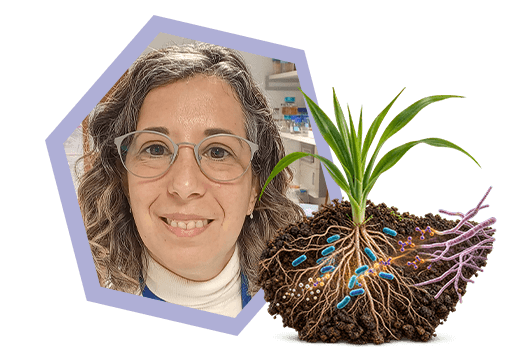



Dr. Jimena A. Ruiz holds a bachelor’s degree in Biological Sciences, with a concentration in Molecular Biology, and a Ph.D. in Chemical Sciences from the University of Buenos Aires. She is currently an independent researcher at CONICET and teaches in the Department of Agricultural Microbiology at the School of Agronomy of the University of Buenos Aires.
Her scientific career has focused on molecular and soil microbiology, bacterial genetics and regulation, the adaptation of microorganisms to the environment, genomics, the production of antifungal metabolites, and the biodegradation of toxic compounds. A particularly significant part of her research addresses the biotechnological capabilities of bacteria of the genera Pseudomonas and Burkholderia, both in terms of competing and surviving in the rhizosphere and in promoting plant growth, inhibiting phytopathogenic microorganisms, and degrading mycotoxins.
In recent years, her work has focused particularly on Burkholderia ambifaria T16, a rhizobacterium isolated from the barley rhizosphere that combines antifungal activity against various Fusarium species with the ability to degrade fusaric acid. Her research has led to advances ranging from the identification of this unique biological ability to the characterization of the genes, enzymes, and metabolic pathways involved in the catabolism of the mycotoxin. More recently, he has broadened this perspective with a review dedicated to the microbial detoxification of mycotoxins, analyzing the potential and limitations of adsorption and biotransformation as mitigation strategies.

Your education combines the biological sciences, molecular biology, and the chemical sciences. How did your interest in environmental microbiology develop, and what ultimately led you to study mycotoxins?
When I started my biology degree, I wasn’t quite sure which branch I wanted to focus on, but when I studied microbiology, I became fascinated by the world of microorganisms—especially their diversity, enormous versatility, and ability to adapt.
Thanks to these characteristics, they have countless applications in agriculture, industry, and medicine. Furthermore, they are the most abundant living organisms on the planet and, as such, play a fundamental role in shaping ecosystems.
During the course of my graduate thesis and PhD, I studied bacteria that produce polyhydroxyalkanoates, polymers with physical properties similar to those of petroleum-based plastics but which, unlike the latter, are completely biodegradable.
During my postdoctoral fellowship, I focused on molecular microbiology and studied the mechanisms of acid stress tolerance in bacteria.
 Later, I focused my research on soil microbiology, as I was interested in the interactions that take place in the rhizosphere. In particular, I noticed that there was little information available on the mechanisms by which many microorganisms detoxify mycotoxins.
Throughout your career, you have researched the genetics, metabolism, and adaptation of bacteria to their environment. What do you find particularly fascinating about microorganisms’ ability to respond to toxic compounds?
The adaptability of microorganisms is astonishing.
Thanks to this ability, they have developed mechanisms to tolerate a wide variety of stressors, including exposure to various toxic compounds, such as mycotoxins.
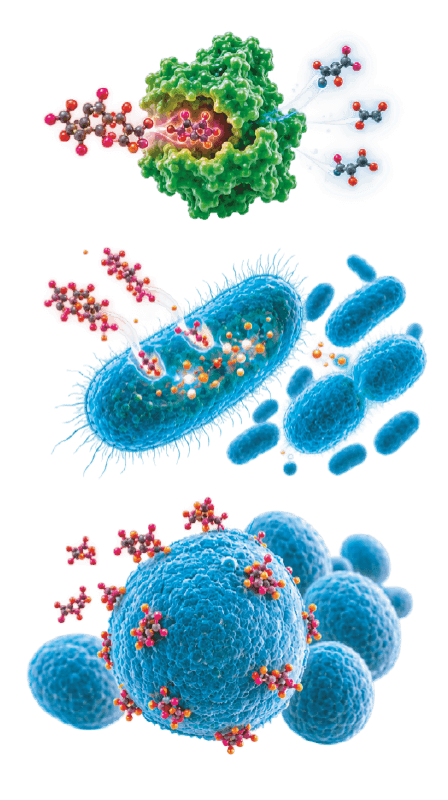
The mechanisms of microbial detoxification of mycotoxins are varied and include:
Biotransformation: the modification of a toxin’s chemical structure to convert it into one or more less toxic compounds.
Biodegradation: occurs when microorganisms break down toxins and use them as a source of nutrients for growth.
Bioadsorption: This process involves the interaction of toxins with the cell walls of certain microorganisms.
Was there a particular discovery, mentor, or experience that marked a turning point in your scientific career?
I began my scientific career by studying biodegradable polymers synthesized by bacteria under the guidance of Dr. Beatriz Méndez.
 Her encouragement and motivation were essential in sparking and strengthening my interest in microbiology during the early years of my career.
Another important milestone was my postdoctoral fellowship in Germany, under the supervision of Dr. Kirsten Jung, with whom I collaborated for many years.
It was a very challenging period during which we succeeded in identifying a regulatory protein involved in bacteria’s response to acidic pH. That experience taught me to trust the process and to understand that science rewards perseverance.
Much of your research focuses on fusaric acid. How significant is this mycotoxin, and why do you think it’s important to pay more attention to it?
Fusaric acid is a secondary metabolite produced by members of the Fusarium fujikuroi species complex (e.g., F. verticillioides, F. proliferatum, and F. subglutinans), as well as by other species, such as F. oxysporum and F. solani.
 This fungal metabolite is toxic to humans, animals, plants, and soil microorganisms.
Fusaric acid-producing fungi cause significant economic losses worldwide, as they cause diseases that lead to wilting and rot in a wide variety of crops.
Due to its widespread production and high phytotoxicity, fusaric acid is considered one of the main virulence factors of phytopathogenic Fusarium species during infection.
High levels of fusaric acid have been found in the tissues, fruits, seeds, and grains of plants infected by fungi that produce this metabolite.
This observation, combined with the toxic and carcinogenic effects of fusaric acid in humans and animals, indicates that the presence of this mycotoxin constitutes a food safety issue.
Furthermore, fusaric acid present in food or animal feed potentiates the toxic effects of other mycotoxins, such as trichothecenes and fumonisins.
What role might fusaric acid play in the interaction between Fusarium, plants, and beneficial microorganisms present in the soil?
There are two important aspects regarding fusaric acid and the interactions that occur in the soil:
1. Its toxicity to plants and to many soil microorganisms.
2. Its ability to sequester metal cations, particularly iron.
These two characteristics mean that the production of fusaric acid in the rhizosphere not only affects plant cells but also modulates the composition of the rhizosphere microbial community.
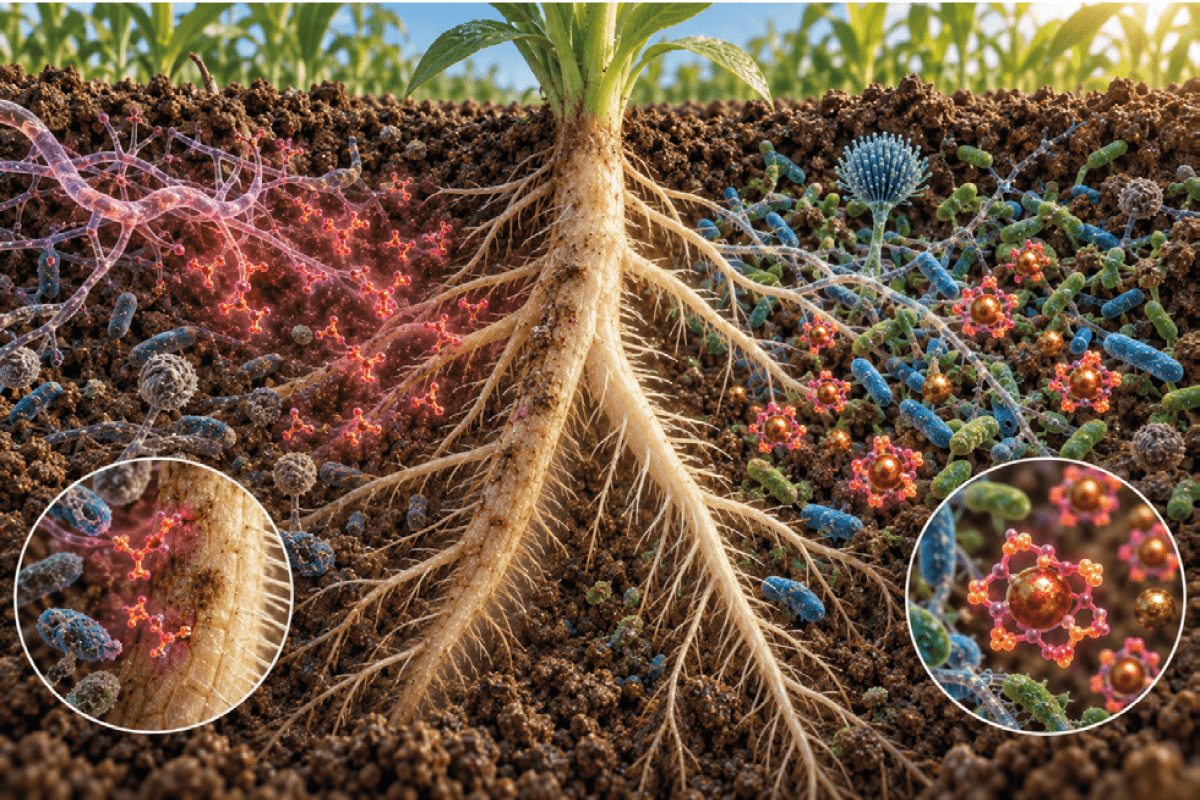
Your team has identified Burkholderia ambifaria T16 as a rhizobacterium capable of degrading fusaric acid and inhibiting the growth of Fusarium species. How was this dual capability discovered?
In our research group, we began by studying the toxicity of fusaric acid in plantgrowth- promoting soil bacteria.
 We found highly variable levels of tolerance to fusaric acid among the bacteria we evaluated; that is, some bacteria were very sensitive, while others were quite tolerant.
However, when we exposed the most tolerant strains to subinhibitory concentrations of fusaric acid (concentrations significantly lower than those that completely inhibited their growth), we observed a negative effect on the growth rate, viability, and motility of these bacteria.
 This demonstrated that even low concentrations of fusaric acid have a negative effect on beneficial rhizospheric bacteria.
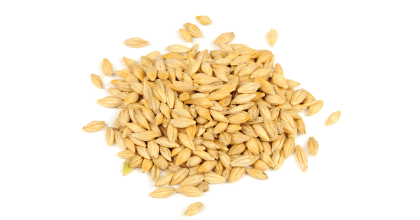
Thus, based on these results, we decided to isolate microorganisms from the barley rhizosphere in order to identify those capable of degrading fusaric acid.
As this compound contains carbon and nitrogen, it was likely to find rhizospheric bacteria capable of using it as carbon and nitrogen source.
 Indeed, we found a bacterial strain capable of growing on fusaric acid as carbon, nitrogen and energy source.
We then evaluated whether it was also capable of inhibiting the growth of fungi of the genus Fusarium. We found that it not only inhibited the growth of several Fusarium species but also that of other genera of phytopathogenic filamentous fungi and pathogenic yeasts.
What are the advantages of a bacterium that not only breaks down a mycotoxin but also produces antifungal metabolites and can promote plant growth?
Fusaric acid and other mycotoxins are toxic to many plant growth-promoting bacteria and antagonists of plant-pathogenic fungi.
For this reason, the main advantage of PGPR (plant growth-promoting) bacteria capable of degrading mycotoxins produced by plant-pathogenic fungi is that they possess greater fitness—that is, a greater capacity for survival and adaptation in the rhizosphere when contamination by mycotoxigenic fungi is present.
In your study on the degradation pathways of fusaric acid, you identified various genes and mechanisms involved. What did this genetic analysis reveal about the complexity of the process?
When microorganisms that degrade or detoxify mycotoxins are isolated, the greatest challenge lies in elucidating the mechanism by which they carry out these processes.
When our group began researching this topic, there was no information available on the degradation pathways— or catabolic pathways—of fusaric acid in bacteria. Nor were there any reports of bacteria capable of utilizing this compound as a source of carbon and energy.
- We were able to identify several enzymes essential for the degradation and detoxification of fusaric acid that are found in very few soil bacteria.
- We identified metabolic pathways belonging to primary metabolism—common to all bacteria—that are involved in degradation.
- We found that, if we eliminate the genes that encode the degrading and detoxifying enzymes, the bacterium cannot grow using fusaric acid as a source of carbon and nitrogen, nor can it detoxify the toxin—that is, eliminate its toxic effect.
 Our current goal is to clarify the exact function of these rare enzymes.
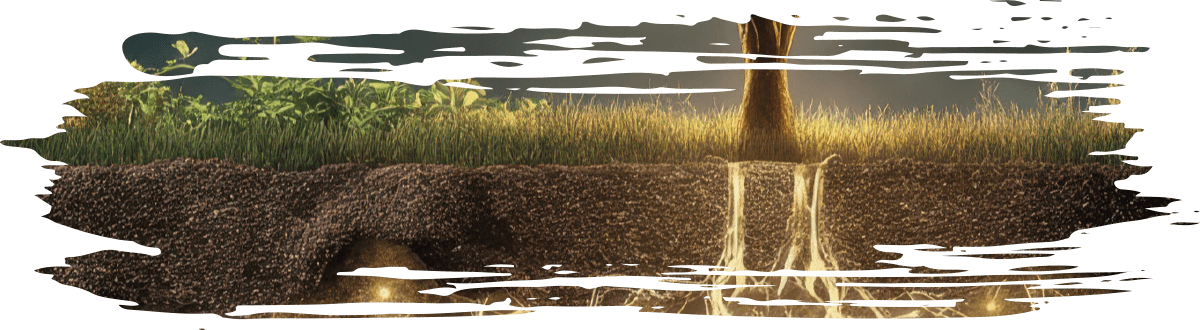
Is the final fate of fusaric acid during biodegradation already known, and how can we verify that the resulting metabolites are indeed less toxic?
Our research indicates that fusaric acid is completely degraded into carbon dioxide and water.
In addition, we conducted toxicity tests on barley seeds following their biodegradation and observed no toxic effects in the products resulting from the process.
Your research has also established a link between iron availability, siderophore production, and bacterial tolerance to fusaric acid. What does this relationship tell us about the mechanism of mycotoxin toxicity?
Yes, those studies were conducted using a soil bacterium unable to degrade fusaric acid but with a high tolerance to this compound.
The results showed that fusaric acid negatively affected the growth rate and viability of the bacterial cells.
The bacterium studied is capable of producing two main siderophores—compounds that sequester iron—: pyoverdine and pyochelin.
We observed that the production of these siderophores was essential for tolerance to fusaric acid; that is, when the bacterium lost the ability to produce both, it became highly sensitive to this mycotoxin.
This means that the sequestration—orchelation—of iron by fusaric acid is a major mechanism of toxicity for bacteria, and that the production of siderophores is essential for survival in the presence of this mycotoxin.
The T16 strain exhibits promising characteristics, but it belongs to the genus Burkholderia, which includes species with very different profiles. What safety assessments would be essential before considering an agricultural or biotechnological application?
Yes, that’s right. Bacteria of the genus Burkholderia have great potential for biotechnological applications, but many of them are opportunistic pathogens and, for this reason, cannot be released into the environment.
A great deal of research is being conducted on this genus, and it has been observed that the genes involved in virulence are located on chromosome 3, since these bacteria typically have more than one chromosome. Therefore, it may be feasible to generate completely harmless variants in the future.
We are interested in unraveling the mechanism of fusaric acid degradation and detoxification in order to identify the enzymes responsible for this process and understand the reactions they catalyze. In this case, therefore, the focus would be on the enzymes rather than the microorganism.
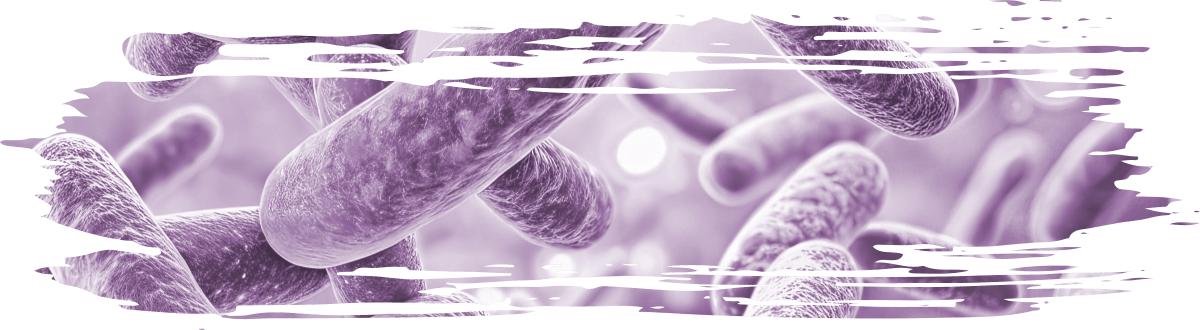
Would it be more realistic to apply the microorganism directly, use the enzymes responsible for degradation, or transfer the metabolic pathways to a safer and easier-to-handle host?
To apply the microorganism directly, it would have to be completely safe.
If it is not, enzymes could be used, which could be produced recombinantly in another microorganism with GRAS (Generally Recognized as Safe) status, such as E. coli or Pseudomonas putida. This seems to me to be the most feasible option.
Alternatively, the genes involved in fusaric acid detoxification could be transferred to other well-studied soil bacteria, such as those belonging to the genus Pseudomonas.
Most foods and animal feeds contain mixtures of mycotoxins. To what extent might the biodegradation systems studied for fusaric acid be effective in complex matrices and in the presence of other contaminants?
When considering the development of a commercial product, it would be necessary to evaluate the system’s efficacy and stability in the matrices in which it will be used.
There is a long road from the discovery of a detoxification mechanism to its commercial application.
We usually try to control mycotoxins after they have contaminated the crop. Could the rhizosphere become a first line of defense, acting before the problem reaches food or animal feed?
Yes, this is a very interesting point. Ideally, contamination should be prevented during the first stage of food production—that is, during cultivation.
For this reason, it is essential to study the interactions that occur in the rhizosphere between beneficial bacteria and pathogens, in order to apply this knowledge to the development of sustainable strategies for the management and control of diseases caused by mycotoxigenic fungi.
Looking ahead, do you think mycotoxin management will evolve toward microorganisms or enzymes designed to detoxify specific contaminants, or toward microbial communities capable of responding dynamically to different contamination scenarios?
I believe it will evolve both toward synthetic microbial consortia capable of detoxifying various mycotoxins and toward products that incorporate different active ingredients with complementary mechanisms of action.
These products could contain a combination of detoxifying enzymes, extracts from the cell walls of microorganisms capable of adsorbing mycotoxins, and adsorbent inorganic compounds. In the latter case, the main challenge lies in the product formulation, which must ensure the stability and activity of each of its components.
 Micotoxicosis prevention