




Mohith Ram C. R., Monisha P. and M. Y. Sreenivasa Applied Mycology Lab, Department of Studies in Microbiology, University of Mysore, Mysuru, India
*Corresponding Author Email: [email protected]; [email protected]
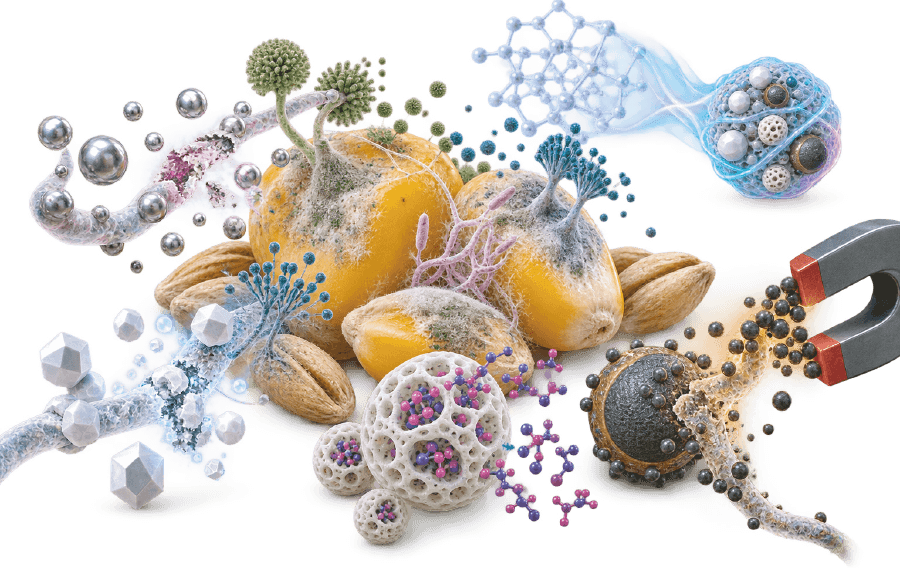
Molds belonging to the genera Aspergillus, Fusarium, and Penicillium contaminate a large proportion of the world’s food and feed supplies and produce toxic secondary metabolites known as mycotoxins (Deepa et al., 2016 & González-Jartín et al., 2024). ⇒They pose a serious food safety concern, as a contaminated batch of grain, nuts, or feed can introduce these compounds into the entire food chain (Dass et al., 2007 & Mateo et al., 2025). According to global estimates, approximately one-quarter of the world’s crop production is affected by mycotoxin contamination, posing a major challenge to food security and public health (Sreenivasa et al., 2008 & Khan et al., 2024).
Different mycotoxins exert toxic effects on humans and animals. Conventional control methods, including synthetic fungicides, heating, irradiation, and chemical treatments, have several limitations (Deepa et al., 2019 & Mateo et al., 2025), such as: Over the past decade, researchers have investigated nanotechnology as a potential alternative to these methods.
 Because of these health effects, many countries have established regulatory limits for permissible mycotoxin concentrations in food and feed (Khan et al., 2024).
 Fungal resistanceNutrient lossChemical residues
This review provides an overview of: It also discusses future research directions and emerging trends in nanoparticle-based mycotoxin control.
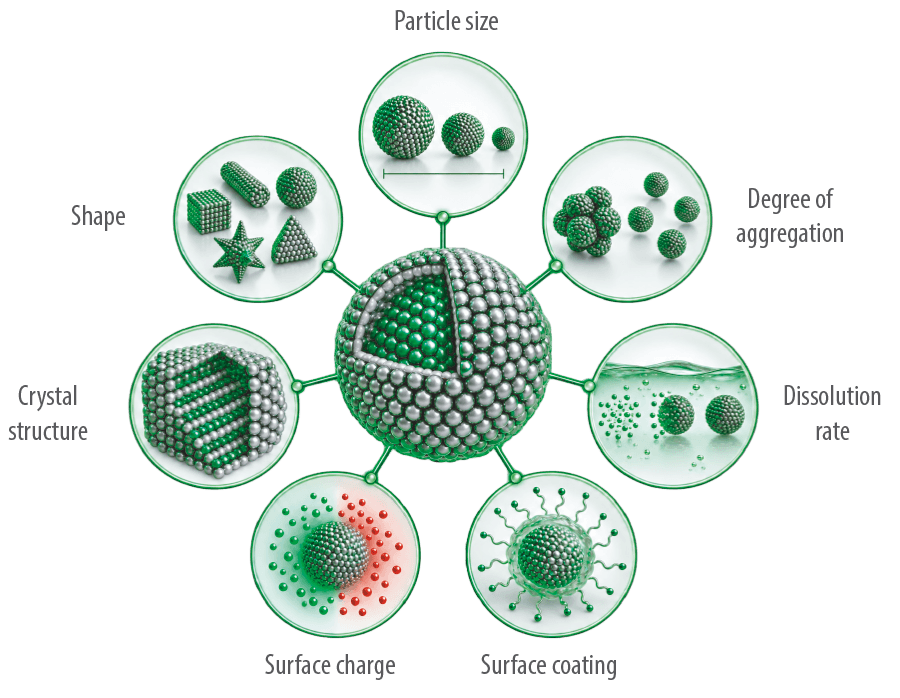
NANOPARTICLES: TYPES AND KEY CHARACTERISTICS The biological activity of nanoparticles depends on their physicochemical characteristics, including: Two batches composed of the same material can behave differently if these characteristics vary. Moreover, the properties that make a nanoparticle effective may also render it toxic to healthy cells (Horký et al., 2018). Therefore, researchers have devoted considerable effort to characterizing nanoparticles using techniques such as electron microscopy, X-ray diffraction, and zeta-potential analysis before evaluating their biological activity (Lakshmeesha et al., 2019).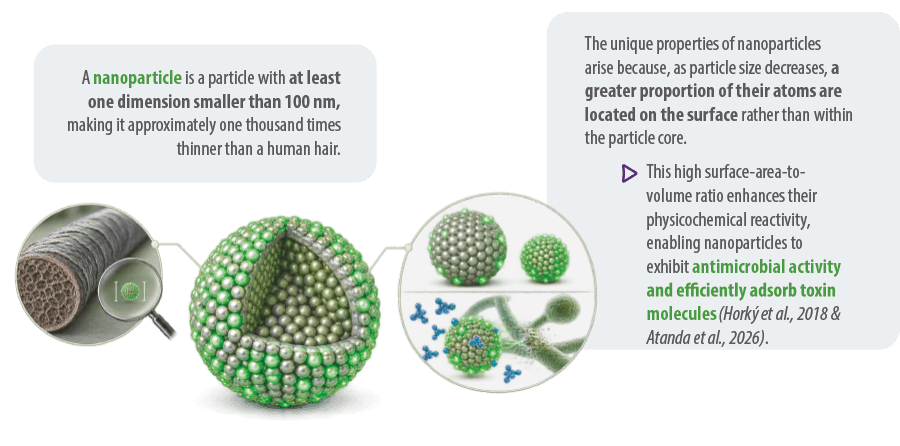
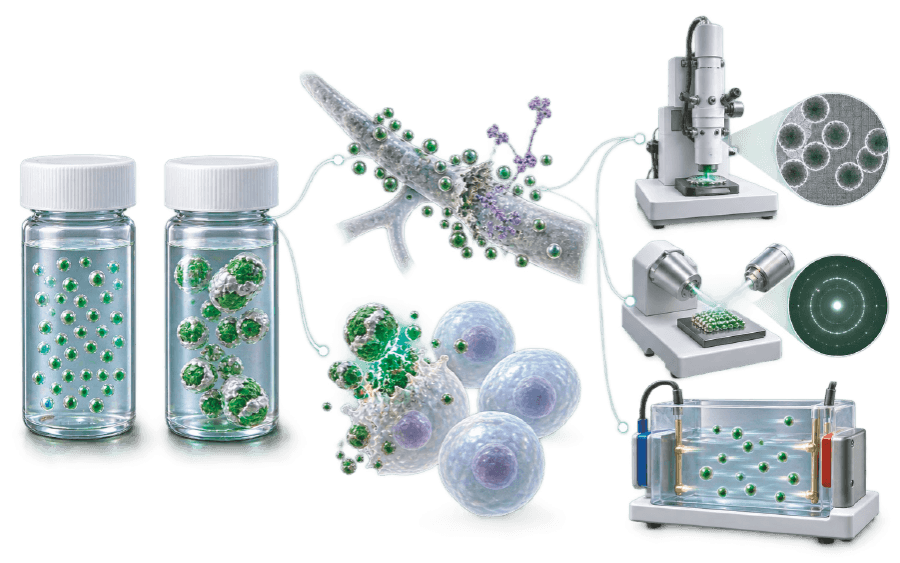
NANOPARTICLES AGAINST MYCOTOXIGENIC FUNGI Aspergillus flavus is the most extensively studied mycotoxigenic fungus because it is a major producer of aflatoxins (Al-Othman et al., 2014).
In one study, silver nanoparticles measuring 5–30 nm inhibited all tested A. flavus isolates. ⇒The strongest inhibitory effect was observed at 150 ppm, resulting in an almost complete reduction in aflatoxin B1 production.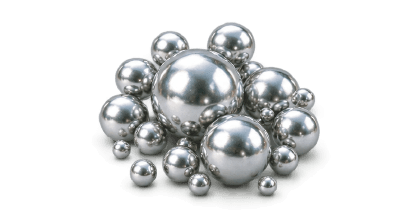
Silver nanoparticles combined with silica achieved even better results, completely inhibiting an aflatoxigenic strain at 5 mg/ mL through the slow release of silver ion (Naqvi et al., 2023).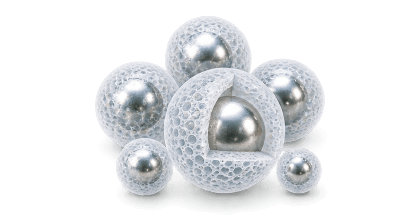
Aflatoxin reduction is not solely a consequence of fungal growth inhibition. For example, citrate-coated silver nanoparticles of different sizes suppressed aflatoxin biosynthesis in Aspergillus parasiticus, even at very low concentrations that did not inhibit fungal growth (Mitra et al., 2019).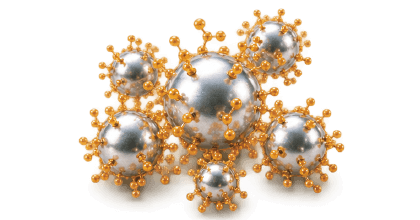
Similarly, green-synthesized silver nanoparticles were effective against Aspergillus ochraceus, reducing aflatoxin contamination in wheat grains and protecting animals against toxin-induced organ damage (Savi et al., 2013 & Naqvi et al., 2023).
Zinc oxide nanoparticles (ZnO NPs) are highly effective against fungi from different genera. ZnO NPs inhibited two common postharvest fungi, Penicillium expansum, a producer of the mycotoxin patulin, and Botrytis cinerea, at concentrations above 3 mmol/L. ⇒Of the two species, P. expansum was more susceptible to the treatment.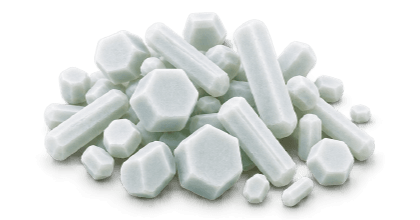
Table 1. Nanoparticles evaluated for the control of mycotoxigenic fungi and their mycotoxins.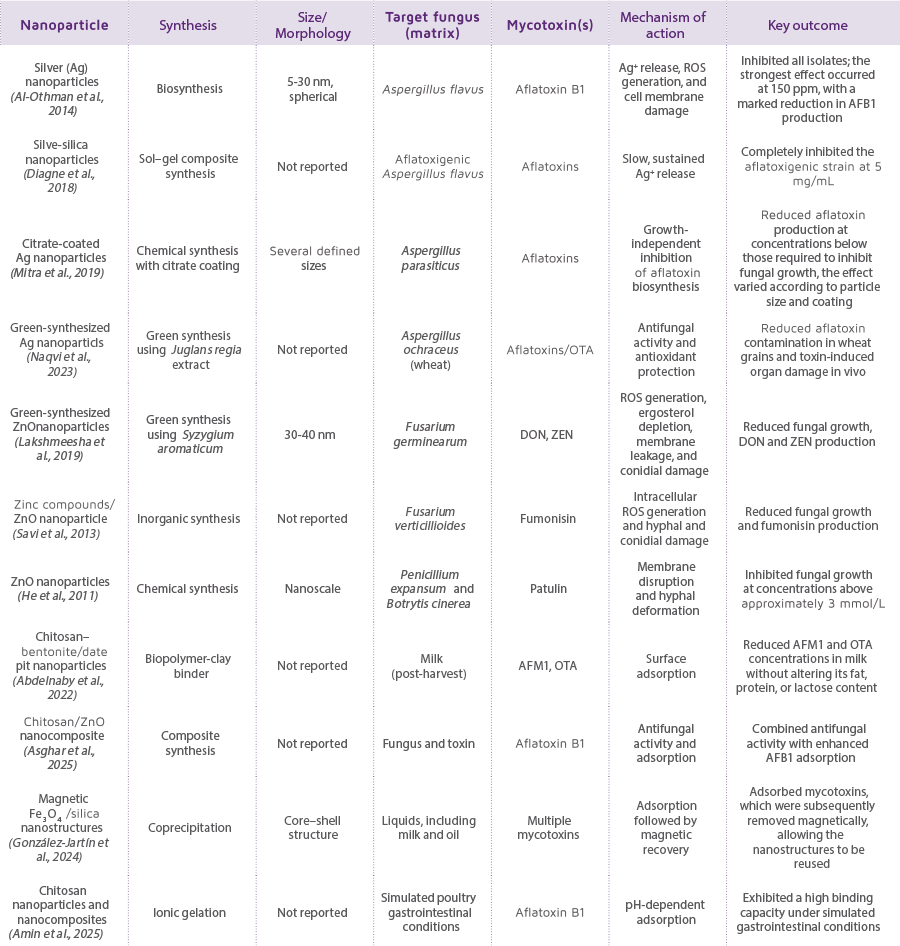
NANOPARTICLES FOR MYCOTOXIN REMOVAL AND DEGRADATION Controlling fungal growth alone is insufficient because mycotoxins are highly stable compounds that can persist long after fungal cells have been eliminated. Adsorption relies on the large, reactive surface area of nanoparticles. Mycotoxin molecules can be retained through: In addition to exerting antifungal activity, nanoparticles can remove or degrade pre-existing mycotoxins through adsorption, which immobilizes toxins on the particle surface, or catalytic degradation, which converts them into less toxic compounds (Horký et al., 2018 & Atanda et al., 2026).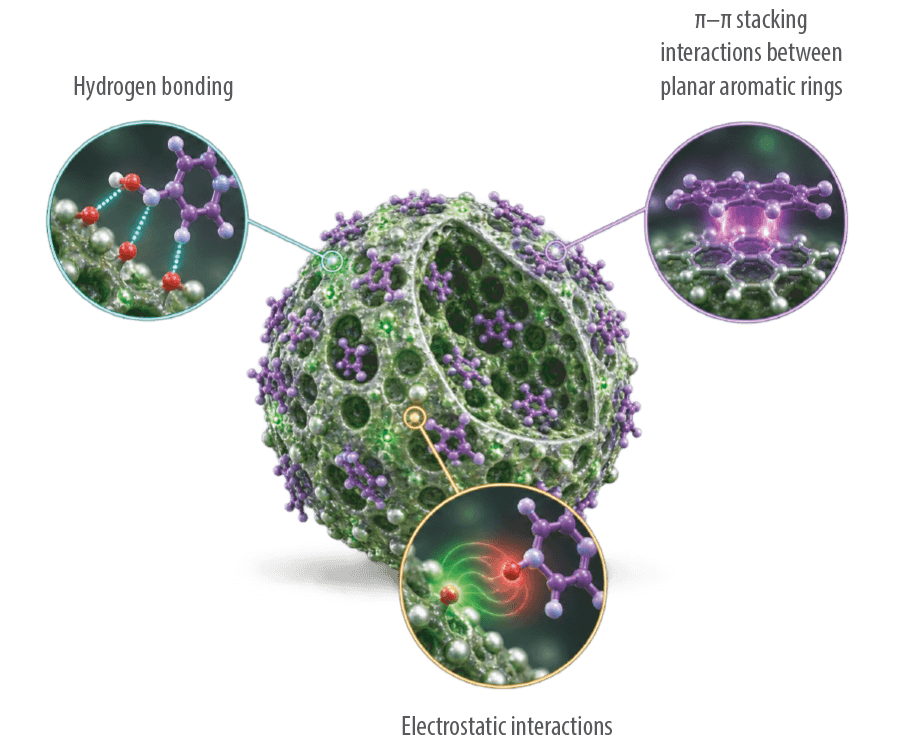
Chitosan, a natural polysaccharide rich in amino and hydroxyl groups, is one of the most widely studied materials for mycotoxin adsorption. Nanochitosan- and clay-based binders have been used to reduce AFM1 and OTA concentrations in milk without altering its fat, protein, or lactose content, although their binding efficiencies varied (Abdelnaby et al., 2022). Similar binders have also been incorporated into poultry feed, where nanoparticle and nanocomposite formulations exhibit greater aflatoxin-binding efficiency than conventional binders because of their larger surface area and improved dispersion (Amin et al., 2025). In general, surface modification or the combination of different materials can enhance nanoparticle performance. ⇒In this system, chitosan captures the mycotoxins, while copper facilitates their degradation (Atanda et al., 2026).  Chitosan–copper nanoparticles produced from agricultural waste have been reported to degrade the major aflatoxins by more than 97% within 72 hours under mild conditions.Hybrid chitosan/zinc oxide nanocomposites provide a dual function by inhibiting fungal growth and adsorbing AFB1 (Asghar et al., 2025).
ADVANTAGES AND LIMITATIONS Nanoparticles offer several advantages: ⇒This multimodal activity may make fungi less likely to develop resistance to nanoparticles than to single-target chemical fungicides (Mateo et al., 2025). Collectively, these characteristics make nanoparticle-based approaches a promising alternative to conventional chemical treatments, irradiation, and high-pressure processing.
 High efficacy at relatively low concentrations.Ability to act through multiple mechanisms simultaneously.Ability to target fungal growth and mycotoxins simultaneously.The possibility of synthesis using environmentally friendly methods, engineered as magnetic nanomaterials for easy recovery, and applied without significantly altering the nutritional composition of food (Abdelnaby et al., 2022 & Amin et al., 2025).Microbial synthesis is a well-established method for producing diverse chemicals (Bhaskar et al., 2019) and metabolites, alongside other beneficial applications (Chennappa et al., 2017 & 2019). Consequently, bacteria and fungi serve as highly viable candidates for nanoparticle biosynthesis.
These nanomaterials also play an important role in the development of rapid and sensitive detection platforms, such as gold nanoparticle-based lateral flow assays for mycotoxin detection (Naqvi et al., 2023).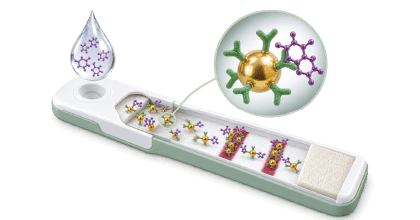
Despite these advantages, several challenges remain: ⇒The same physicochemical properties that make nanoparticles highly effective—their small size, high reactivity, and ability to generate reactive oxygen species (ROS)—can also damage healthy cells and lead to their accumulation in body tissues following prolonged exposure (Zhao et al., 2017).
 The primary concern is nanotoxicity.Their performance can vary depending on synthesis conditions.Large-scale, low-cost production remains challenging.Nanoparticles may aggregate during storage and lose activity over time.Questions concerning residues, potential allergenicity, and environmental fate have yet to be fully addressed.
FUTURE DIRECTIONS
Further progress in this field will largely depend on establishing standardized safety assessment protocols and clear regulatory frameworks. Before nanoparticles can be widely adopted in food systems, well-defined toxicity evaluation methods and regulatory guidelines will be required to ensure their safe commercialization. Another important research priority is the rational design of nanoparticles. Recent studies indicate that such optimization may be achieved through careful control of their physicochemical characteristics. Future developments are also expected to focus on multifunctional nanocomposites capable of simultaneously detecting, adsorbing, and degrading mycotoxins. Combining these systems with green synthesis methods and artificial intelligence-assisted materials design may facilitate the development of highly efficient and sustainable nanomaterials. Because both efficacy and toxicity are strongly influenced by nanoparticle size, shape, surface charge, and surface coating, future research should focus on engineering nanoparticles that effectively suppress mycotoxin production while minimizing toxicity to human cells.
CONCLUSION
Nanoparticles offer a promising and versatile strategy for controlling mycotoxigenic fungi and reducing mycotoxin contamination. They can: Metal, metal oxide, carbon-based, and biopolymer nanomaterials each offer distinct advantages that make them suitable for different applications in mycotoxin management. Although current evidence supports their effectiveness, further research is required to establish their long-term safety, scalability, and regulatory acceptance before they can be widely implemented in food systems.
Inhibit the growth of fungi belonging to genera such as Aspergillus, Fusarium, and Penicillium.Suppress the production of major mycotoxins, including aflatoxins, deoxynivalenol, and fumonisins.Adsorb or degrade mycotoxins already present in food and feed.
References Abdelnaby, A., Abdelaleem, N. M., Elshewy, E., Mansour, A. H., & Ibrahim, S. (2022). The efficacy of clay bentonite, date pit, and chitosan nanoparticles in the detoxification of aflatoxin M1 and ochratoxin A from milk. Environmental Science and Pollution Research, 29(14), 20305–20317. https://doi.org/10.1007/s11356-021-17254-3 Al-Othman, M. R., Abd El-Aziz, A. R. M., Mahmoud, M. A., Eifan, S. A., El-Shikh, M. S., & Majrashi, M. (2014). Application of silver nanoparticles as antifungal and antiaflatoxin B1 produced by Aspergillus flavus. Digest Journal of Nanomaterials and Biostructures, 9(1), 151–157. Amin, A., Khatoon, A., Saleemi, M. K., & Saqib, M. (2025). Harnessing the adsorption efficiency of chitosan nanoparticles and its hybrid nanocomposites against aflatoxin B1 in simulated poultry gut conditions. Toxicon, 266, 108536. https://doi.org/10.1016/j.toxicon.2025.108536 Asghar, M. A., Ahmed, F., Qamar, A. R., Khan, K., & Anwar, A. (2025). Synthesis and characterization of chitosan/zinc oxide nanocomposite for enhanced applications as antibacterial, antifungal and aflatoxin B1 adsorption. Journal of Cluster Science, 36(2), 47. https://doi.org/10.1007/s10876-024-02760-4 Atanda, S. A., Agunbiade, F. O., & Shaibu, R. O. (2026). Green chemistry approach for sustainable aflatoxin remediation: Chitosan-copper nanoparticles from agricultural waste with future AI integration potential. Discover Chemistry, 3, 59. https://doi.org/10.1007/s44371-026-00502-1 Bhaskar, M., Basavaraj, M., & Sreenivasa, M. Y. (2019). Bacteriological synthesis of iron hydroxysulphate using an isolated Acidithiobacillus ferrooxidans strain and its application in ametryn removal by Fenton's oxidation process. Journal of Environmental Management. Chennappa, G., Naik, M. K., Amaresh, Y. S., Nagaraja, H., & Sreenivasa, M. Y. (2017). Azotobacter: A potential biofertilizer and bioinoculants for sustainable agriculture. In D. Panpatte, Y. Jhala, R. Vyas, & H. Shelat (Eds.), Microorganisms for green revolution: Vol. 1. Microorganisms for sustainability. Springer. Chennappa, G., Udaykumar, N., Vidya, M., Nagaraja, H., Amaresh, Y. S., & Sreenivasa, M. Y. (2019). Azotobacter—A natural resource for bioremediation of toxic pesticides in soil ecosystems. In J. S. Singh & D. P. Singh (Eds.), New and future developments in microbial biotechnology and bioengineering (pp. 267–279). Elsevier. https://doi.org/10.1016/B978-0-444-64191-5.00019-5 Dass, R. S., Sreenivasa, M. Y., & Janardhana, G. R. (2007). High incidence of Fusarium verticillioides in animal and poultry feed mixtures produced in Karnataka, India. Plant Pathology Journal, 6(2), 174–178. Deepa, N., & Sreenivasa, M. Y. (2019). Biocontrol strategies for effective management of phytopathogenic fungi associated with cereals. In J. S. Singh & D. P. Singh (Eds.), New and future developments in microbial biotechnology and bioengineering (pp. 177–189). Elsevier. https://doi.org/10.1016/B978-0-444-64191-5.00013-4 Deepa, N., Charith Raj, A. P., & Sreenivasa, M. Y. (2016). Nested PCR method for the early detection of fumonisin producing Fusarium verticillioides in pure cultures, cereal samples and plant parts. Food Biotechnology, 30(1), 18–29. Diagne, A., Diop, B. N., Tounkara, L. S., Andreazza, C., & Sembène, M. (2018). Antifungal activity of silver@silica nanoparticles against aflatoxigenic Aspergillus flavus. Global Advanced Research Journal of Agricultural Science, 7(12), 377–382. González-Jartín, J. M., de Castro Alves, L., Piñeiro, Y., Alfonso, A., Alvariño, R., González Gomez, M., Vieytes, M. R., Rivas, J., & Botana, L. M. (2024). Magnetic nanostructured agents for the mitigation of mycotoxins and cyanotoxins in the food chain. Food Chemistry, 456, 140004. https://doi.org/10.1016/j.foodchem.2024.140004 He, L., Liu, Y., Mustapha, A., & Lin, M. (2011). Antifungal activity of zinc oxide nanoparticles against Botrytis cinerea and Penicillium expansum. Microbiological Research, 166(3), 207–215. https://doi.org/10.1016/j.micres.2010.03.003 Horký, P., Skalíčková, S., Baholet, D., & Skládanka, J. (2018). Nanoparticles as a solution for eliminating the risk of mycotoxins. Nanomaterials, 8(9), 727. https://doi.org/10.3390/nano8090727 Khan, R., Anwar, F., & Ghazali, F. M. (2024). A comprehensive review of mycotoxins: Toxicology, detection, and effective mitigation approaches. Heliyon, 10(8), e28361. https://doi.org/10.1016/j.heliyon.2024.e28361 Lakshmeesha, T. R., Kalagatur, N. K., Mudili, V., Mohan, C. D., Rangappa, S., Prasad, B. D., Ashwini, B. S., Hashem, A., Alqarawi, A. A., Malik, J. A., Abd Allah, E. F., Gupta, V. K., Siddaiah, C. N., & Niranjana, S. R. (2019). Biofabrication of zinc oxide nanoparticles with Syzygium aromaticum flower buds extract and finding its novel application in controlling the growth and mycotoxins of Fusarium graminearum. Frontiers in Microbiology, 10, 1244. https://doi.org/10.3389/fmicb.2019.0124414 Mateo, E. M., Mateo, F., Tarazona, A., & Jiménez, M. (2025). Engineered metal nanoparticles: A possible small solution to big problems associated with toxigenic fungi and mycotoxins. Toxins, 17(8), 378. https://doi.org/10.3390/toxins17080378 Mitra, C., Gummadidala, P. M., Merrifield, R. C., Omebeyinje, M. H., Jesmin, R., Lead, J. R., & Chanda, A. (2019). Size and coating of engineered silver nanoparticles determine their ability to growth-independently inhibit aflatoxin biosynthesis in Aspergillus parasiticus. Applied Microbiology and Biotechnology, 103(11), 4623–4632. https://doi.org/10.1007/s00253-019-09693-3 Naqvi, S. I. Z., Kausar, H., Afzal, A., Hashim, M., Mujahid, H., Javed, M., Hano, C., & Anjum, S. (2023). Antifungal activity of Juglans regia-mediated silver nanoparticles (AgNPs) against Aspergillus ochraceus-induced toxicity in in vitro and in vivo settings. Journal of Functional Biomaterials, 14(4), 221. https://doi.org/10.3390/jfb14040221 Savi, G. D., Bortoluzzi, A. J., & Scussel, V. M. (2013). Antifungal properties of zinc compounds against toxigenic fungi and mycotoxin. International Journal of Food Science & Technology, 48(9), 1834–1840. https://doi.org/10.1111/ijfs.12158 Sreenivasa, M. Y., Gonzalez-Jaen, M. T., Dass, R. S., Charith Raj, A. P., & Janardhana, G. R. (2008). PCR-based assay for the detection and differentiation of potential fumonisin producing F. verticillioides isolated from Indian maize kernels. Food Biotechnology, 22, 160–170. Zhao, J., Wang, L., Xu, D., & Lu, Z. (2017). Involvement of ROS in nanosilver-caused suppression of aflatoxin production from Aspergillus flavus. RSC Advances, 7(37), 23021–23026. https://doi.org/10.1039/C7RA02312J
 Micotoxicosis prevention